Social media is no longer just a place for communication and entertainment—it has become one of the most powerful sales channels for businesses. The rise of social commerce has transformed how consumers discover, evaluate, and purchase products online. Instead of visiting traditional e-commerce websites, many shoppers now buy directly from social platforms through posts, videos, and influencer recommendations.
In 2026, Social Commerce Trends are reshaping the digital retail landscape. Brands are integrating shopping experiences directly into social media apps, allowing users to browse and buy products without leaving their feeds. This shift has created a seamless shopping experience that blends entertainment, community interaction, and commerce.
The growth of social commerce is remarkable. The global social commerce market is expected to reach $2.11 trillion in 2026, with rapid expansion driven by mobile usage, influencer marketing, and integrated payment systems. Businesses that understand these trends can take advantage of this new digital marketplace to increase brand visibility, improve customer engagement, and drive more sales.
Below are the 10 most important Social Commerce Trends dominating 2026 that every brand, marketer, and online store should understand.
1. In-App Shopping Is Becoming the Standard
One of the most important Social Commerce Trends in 2026 is the widespread adoption of in-app shopping. Social media platforms now allow users to discover products, read reviews, and complete purchases without leaving the app.

Platforms such as Instagram, TikTok, and Facebook have introduced built-in shopping features like product tags, storefronts, and integrated payment systems. These features remove friction from the buying process and make it easier for users to purchase products immediately after discovering them.
Consumers increasingly prefer convenience, and in-app shopping provides exactly that. When users can buy products directly from a post or video, they are more likely to complete the purchase. This streamlined process improves conversion rates and reduces cart abandonment.
For businesses, integrating social commerce features into their marketing strategy allows them to reach customers exactly where they spend most of their time—on social media.
2. Live Shopping and Livestream Commerce
Livestream shopping has become one of the fastest-growing Social Commerce Trends worldwide. This format combines entertainment and shopping by allowing influencers or brands to showcase products during live video streams while viewers purchase items in real time.
Live commerce is particularly successful in Asian markets, where conversion rates can reach up to 30%, significantly higher than traditional e-commerce. During live sessions, viewers can ask questions, see product demonstrations, and receive limited-time offers, creating a highly interactive shopping experience.
This trend is now expanding globally, with many brands hosting live shopping events on social media platforms. These events often feature influencers or product experts who demonstrate products, answer audience questions, and offer exclusive discounts.
The combination of real-time engagement and instant purchasing opportunities makes live commerce a powerful marketing tool.
3. The Rise of Creator-Led Commerce
Content creators and influencers play a major role in social commerce. Many consumers trust recommendations from influencers more than traditional advertisements.
Influencer-led promotions influence approximately 55% of purchasing decisions on social platforms. This trust has made creators an essential part of the social commerce ecosystem.
In 2026, many brands are partnering with creators to launch collaborative product campaigns. Influencers not only promote products but also help design collections, host livestreams, and build communities around brands.
Creator-driven commerce allows brands to connect with highly engaged audiences while maintaining authentic marketing messages.
4. Mobile-First Shopping Experiences
Another major Social Commerce Trend is the dominance of mobile devices. Most social media activity occurs on smartphones, making mobile-optimized shopping experiences essential.
Mobile social commerce is growing rapidly, with annual growth exceeding 31% as more consumers shop directly from their phones. Businesses must ensure that their product pages, checkout processes, and payment systems are optimized for mobile users.
Mobile-first design includes fast-loading pages, simple checkout forms, and digital payment options. Brands that prioritize mobile-friendly experiences can significantly improve conversion rates.
As smartphone usage continues to grow globally, mobile commerce will remain a central component of social shopping.
5. AI-Powered Personalization
Artificial intelligence is transforming how brands interact with customers on social platforms. AI algorithms analyze user behavior, interests, and previous purchases to recommend personalized products.
Studies suggest that AI-driven personalization can increase conversion rates by more than 35% in social commerce environments.
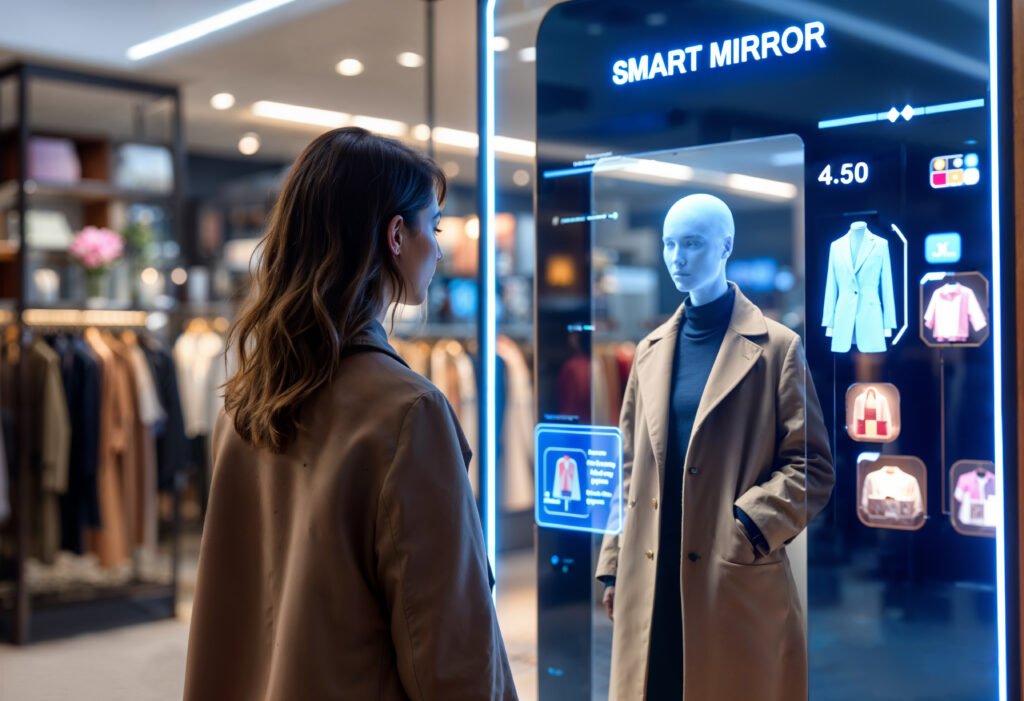
Personalized product recommendations make the shopping experience more relevant and engaging. For example, social platforms may suggest products based on a user’s previous interactions, search history, or favorite creators.
Brands can also use AI tools to analyze audience behavior, optimize marketing campaigns, and identify the most effective influencers for collaborations.
6. Short-Form Video Drives Product Discovery
Short-form video content has become one of the most powerful tools for product discovery. Platforms that prioritize short videos are dominating social commerce engagement.
Consumers enjoy quick, entertaining videos that showcase products in creative ways. Influencers often use these formats to demonstrate product features, share tutorials, or create storytelling content around a brand.
Video commerce has already captured a significant share of the social commerce market, with video-based shopping experiences accounting for over 40% of social sales in coming years.
Brands that incorporate video content into their social commerce strategies can reach larger audiences and generate stronger engagement.
7. Community-Driven Shopping
Another growing trend in social commerce is the rise of community-driven shopping experiences. Instead of simply browsing product listings, consumers increasingly rely on community recommendations and discussions before making purchases.
Online communities, comment sections, and group discussions allow users to share opinions about products and provide real-time feedback. These conversations help build trust and encourage purchasing decisions.
Brands that actively engage with their communities—by responding to comments, hosting Q&A sessions, and encouraging user-generated content—can create stronger relationships with their audiences.
Community engagement transforms social commerce from a transactional experience into a social interaction.
8. Integration of Influencer Marketing and Social Commerce

Influencer marketing and social commerce are becoming increasingly interconnected. Influencers often serve as the bridge between product discovery and purchasing.
Many platforms now allow influencers to create dedicated storefronts where followers can browse recommended products. Affiliate links and commission-based partnerships also encourage influencers to promote products more actively.
This integration benefits both brands and creators. Brands gain access to targeted audiences, while influencers earn income through product recommendations.
As social commerce continues to expand, influencer partnerships will become even more important for brands looking to increase their online sales.
9. Augmented Reality (AR) Shopping Experiences
Augmented reality technology is changing how customers interact with products online. AR tools allow shoppers to visualize products before purchasing them.
For example, users can try on makeup virtually, see how furniture fits in their home, or preview clothing styles using AR filters. These features improve customer confidence and reduce return rates.
Many social platforms are investing in AR technology to enhance the shopping experience. By making product visualization more interactive, brands can create engaging and immersive shopping journeys.
AR shopping is expected to become a standard feature in social commerce over the next few years.
10. Social Commerce Expansion in Emerging Markets
The growth of social commerce is not limited to major markets. Emerging regions are experiencing rapid adoption due to increasing smartphone usage and improved internet connectivity.
Many consumers in developing markets rely heavily on social media platforms for product discovery and recommendations. As a result, brands are expanding their social commerce strategies to reach these audiences.
Emerging markets also provide opportunities for small businesses and independent creators to sell products directly through social platforms. This democratization of commerce allows entrepreneurs to reach global customers without large marketing budgets.
As internet access continues to expand worldwide, social commerce will become a global driver of digital retail growth.
Conclusion
Social commerce is transforming the way people shop online. Instead of relying solely on traditional e-commerce websites, consumers now discover and purchase products directly through social media platforms. With the global social commerce market expected to surpass $2 trillion in 2026, businesses that adapt to these changes can gain a major competitive advantage.
The Social Commerce Trends dominating 2026—such as livestream shopping, influencer-led commerce, mobile-first experiences, and AI-driven personalization—are reshaping the digital retail landscape. Brands that embrace these trends can create engaging shopping experiences, build stronger relationships with their audiences, and increase their online sales.
As social media platforms continue to evolve, social commerce will likely become one of the most influential channels for digital marketing and e-commerce in the years ahead.