
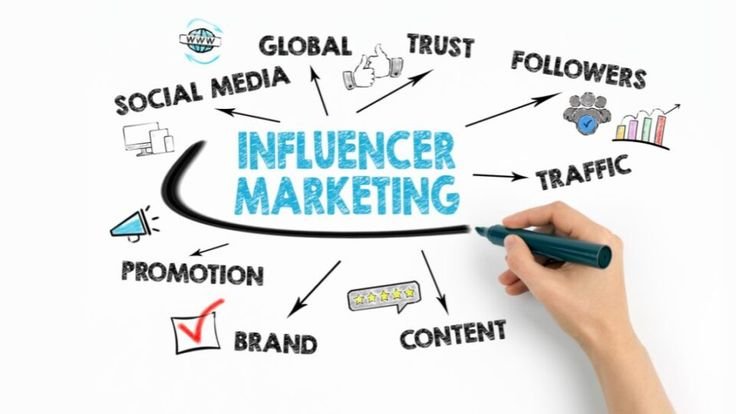
In today’s digital world, brands are shifting their focus from celebrities with millions of followers to creators with smaller but highly engaged audiences. This strategy is known as micro influencer marketing, and in 2026, it has become one of the most effective ways for businesses to grow online. From startups to global companies, brands are investing heavily in micro influencers because they generate better engagement, stronger trust, and higher conversion rates compared to mega influencers. If you want to understand how micro influencer marketing works and why it is dominating the future of digital marketing, this guide covers everything you need to know. What is Micro Influencer Marketing? Micro influencer marketing is a marketing strategy where brands collaborate with social media influencers who usually have between 10,000 and 100,000 followers. Unlike celebrity influencers or mega creators, micro influencers focus on a specific niche such as: Their audience is smaller but highly loyal and engaged. People trust their recommendations because they appear authentic and relatable. For example, a skincare brand may partner with a beauty creator who has 25,000 engaged Instagram followers instead of hiring a celebrity with millions of followers. Why Micro Influencer Marketing is Growing in 2026 The influencer marketing industry has changed dramatically over the past few years. Consumers are now smarter and can easily identify fake promotions or paid advertisements. In 2026, audiences prefer: This is exactly why micro influencer marketing is outperforming traditional influencer campaigns. Brands now prioritize: Micro Influencers vs Mega Influencers Feature Micro Influencers Mega Influencers Followers 10K – 100K 1M+ Engagement Rate High Lower Audience Trust Strong Moderate Cost Affordable Expensive Conversion Rate Better Lower Content Authenticity More Genuine More Promotional Niche Targeting Highly Specific Broad Audience While mega influencers provide massive reach, micro influencers create deeper audience connections. Why Micro Influencer Marketing Works Better in 2026 1. Higher Engagement Rates Micro influencers usually receive more likes, comments, shares, and direct interactions than mega influencers. Their followers actively engage because: Higher engagement helps brands improve: 2. Stronger Audience Trust Trust is the biggest currency in influencer marketing. People often see mega influencer promotions as advertisements. However, micro influencers build closer relationships with followers by sharing: This authenticity leads to higher purchase decisions. 3. Better ROI for Brands One of the biggest advantages of micro influencer marketing is affordability. Instead of spending huge budgets on one celebrity influencer, brands can collaborate with multiple micro influencers and reach highly targeted communities. Benefits include: Small businesses especially benefit from this strategy. 4. Niche Audience Targeting Micro influencers usually specialize in a specific niche. For example: This makes audience targeting extremely accurate. Brands can directly reach people who are genuinely interested in their products or services. 5. More Authentic Content Authenticity matters more than polished advertising in 2026. Micro influencers often create: This style of content performs better on: Authentic storytelling drives stronger customer engagement. Best Platforms for Micro Influencer Marketing Instagram Instagram remains one of the top platforms for influencer collaborations, especially for: TikTok TikTok micro influencers generate viral content quickly through short-form videos and trends. LinkedIn B2B companies are increasingly using LinkedIn influencers for professional brand growth. How Brands Use Micro Influencer Marketing in 2026 Modern brands use micro influencer campaigns for: Many companies now build long-term partnerships instead of one-time collaborations. Benefits of Micro Influencer Marketing for Small Businesses Small businesses benefit massively because they can: Local businesses in cities like Ahmedabad are increasingly using micro influencer marketing to target nearby customers through Instagram Reels and local creator collaborations. How to Start a Micro Influencer Marketing Campaign Step 1: Define Your Goals Decide whether you want: Step 2: Find Relevant Influencers Choose influencers who align with your niche and audience. Step 3: Check Engagement Focus on: Step 4: Create Authentic Campaigns Allow creators to produce natural content instead of scripted advertisements. Step 5: Track Results Monitor: Future of Micro Influencer Marketing The future of micro influencer marketing looks stronger than ever. In 2026, brands are moving toward: Consumers trust people more than advertisements, and micro influencers bridge that trust gap perfectly. Conclusion Micro influencer marketing has become one of the most powerful digital marketing strategies in 2026. While mega influencers still offer reach, micro influencers deliver what modern brands truly need — authenticity, engagement, trust, and conversions. Businesses that invest in niche creators can build stronger relationships with audiences while achieving better ROI at lower costs. As AI-driven search, social commerce, and community-based marketing continue to grow, micro influencer marketing will remain a key strategy for brands looking to dominate both SEO and GEO visibility in the future.

What Is Influencer Collaboration? A Complete Guide
Influencer marketing has become one of the most powerful strategies in digital marketing today. But within this space, one concept stands out as especially impactful—Influencer Collaboration. Whether you’re a startup, an e-commerce brand, or an established business, collaborating with influencers can significantly boost your reach, credibility, and sales. In this complete guide, we’ll break down everything you need to know about Influencer Collaboration, how it works, its benefits, types, and how to use it effectively for your brand growth. What Is Influencer Collaboration? Influencer Collaboration is a marketing strategy where brands partner with influencers to promote products or services to their audience. Influencers are individuals who have built a loyal following on platforms like Instagram, or TikTok. Instead of traditional advertising, brands leverage the trust influencers have built with their followers. This creates a more authentic and relatable way to promote products. In simple terms, Influencer Collaboration is about working together with creators to reach the right audience in a natural and engaging way. Why Influencer Collaboration Is Important In today’s crowded digital space, consumers are more skeptical of traditional ads. This is where Influencer Collaboration becomes powerful. Key Reasons: When an influencer recommends a product, it feels like a personal suggestion rather than a sales pitch. Types of Influencer Collaboration There are different types of Influencer Collaboration, depending on your goals and budget. 1. Sponsored Posts Brands pay influencers to create content featuring their product. 2. Product Reviews Influencers share honest reviews, which helps build trust. 3. Giveaways and Contests Collaborations that encourage audience participation and engagement. 4. Affiliate Marketing Influencers earn a commission for every sale generated. 5. Brand Ambassadors Long-term partnerships where influencers consistently promote a brand. 6. Content Collaboration Brands and influencers co-create content like videos, reels, or blogs. How Influencer Collaboration Works The process of Influencer Collaboration is simple but requires proper planning. Step-by-Step Process: A well-planned collaboration ensures better results and long-term success. Benefits of Influencer Collaboration 1. Authentic Brand Promotion Influencers create genuine content that resonates with their audience. 2. Targeted Marketing You reach people who are already interested in your niche. 3. Higher Engagement Rates Influencer content often gets more likes, shares, and comments. 4. Cost-Effective Strategy Compared to traditional ads, Influencer Collaboration can deliver better ROI. 5. Content Creation Brands get high-quality user-generated content. Influencer Collaboration vs Traditional Advertising Feature Influencer Collaboration Traditional Advertising Trust Level High Low Engagement High Moderate Cost Flexible Expensive Audience Targeting Precise Broad Content Style Authentic Promotional How to Choose the Right Influencer Choosing the right influencer is key to successful Influencer Collaboration. Consider These Factors: Micro-influencers often deliver better engagement compared to celebrities. Best Practices for Influencer Collaboration To get the best results, follow these tips: Successful Influencer Collaboration is built on trust and mutual benefit. Common Mistakes to Avoid Avoiding these mistakes can significantly improve your campaign performance. Future of Influencer Collaboration The future of Influencer Collaboration looks promising. Trends include: Brands that adapt to these trends will stay ahead in the market. Conclusion Influencer Collaboration is no longer optional—it’s a must-have strategy for modern brands. It helps build trust, reach the right audience, and drive real results. By choosing the right influencers, creating authentic content, and focusing on long-term partnerships, businesses can unlock the full potential of influencer marketing
Top 10 Influencer Marketing Trends Every Brand Should Know in 2026
Influencer marketing is no longer just a buzzword—it’s a dominant force shaping how brands connect with audiences in the digital age. As we move into 2026, the landscape is evolving faster than ever, driven by changes in consumer behavior, platform algorithms, and technology. Brands that want to stay ahead must adapt to these shifts and embrace the latest Influencer Marketing Trends to remain competitive. What worked in 2023 or even 2024 is no longer enough. Today’s audiences demand authenticity, transparency, and real value from both brands and creators. This means influencer marketing strategies must go beyond simple product promotions and focus on building genuine relationships and delivering meaningful content. In this guide, we’ll explore the top 10 Influencer Marketing Trends in 2026 that every brand should understand and leverage for growth. 1. Rise of Micro and Nano Influencers One of the biggest Influencer Marketing Trends in 2026 is the growing dominance of micro and nano influencers. While mega influencers still offer reach, brands are shifting toward smaller creators who have stronger engagement and deeper connections with their audience. Micro influencers (10K–100K followers) and nano influencers (1K–10K followers) often deliver higher engagement rates because their content feels more personal and relatable. Their followers trust their recommendations, making them more effective for conversions. For brands, this trend means focusing less on follower count and more on authentic engagement and niche targeting. 2. Authentic Content Over Perfect Aesthetics Gone are the days when highly polished, studio-quality content dominated social media. In 2026, authenticity is everything. Users prefer raw, real, and unfiltered content that feels genuine. This shift is reshaping Influencer Marketing Trends, pushing brands to allow creators more creative freedom. Instead of scripted ads, influencers are sharing real-life experiences, honest reviews, and behind-the-scenes moments. Brands that embrace authenticity will build stronger trust and long-term loyalty with their audience. 3. Growth of Short-Form Video Content Short-form video continues to dominate platforms like Instagram Reels, TikTok, and YouTube Shorts. This format is one of the most powerful Influencer Marketing Trends because it captures attention quickly and encourages high engagement. In 2026, brands are prioritizing video-first strategies, working with influencers to create engaging, snackable content that tells a story in seconds. Short-form videos are not just for entertainment—they’re driving product discovery and purchase decisions at scale. 4. Performance-Based Influencer Marketing Brands are becoming more focused on measurable results. Instead of paying influencers solely for posts, many are shifting toward performance-based models. This trend includes affiliate marketing, commission-based partnerships, and pay-per-conversion deals. It ensures that brands only pay for actual results, making campaigns more cost-effective. Performance tracking tools and analytics are playing a key role in this evolution of Influencer Marketing Trends. 5. Long-Term Influencer Partnerships One-off collaborations are being replaced by long-term partnerships. Brands are realizing that consistent promotion builds stronger credibility than a single sponsored post. In 2026, building ongoing relationships with influencers is a major Influencer Marketing Trend. These partnerships allow influencers to become true brand advocates rather than temporary promoters. This approach also helps maintain consistent messaging and improves audience trust over time. 6. Integration of Social Commerce Social media is no longer just for engagement—it’s a full-fledged shopping platform. Social commerce is one of the fastest-growing Influencer Marketing Trends. Platforms now allow users to discover, review, and purchase products without leaving the app. Influencers play a key role in this process by showcasing products and driving direct sales. Brands that integrate influencer campaigns with social commerce features can significantly boost conversions. 7. Data-Driven Campaign Strategies Data is becoming the backbone of influencer marketing. Brands are using advanced analytics to identify the right influencers, track campaign performance, and optimize strategies. This shift toward data-driven decision-making is one of the most important Influencer Marketing Trends in 2026. Metrics like engagement rate, audience demographics, and ROI are guiding every step of the process. With better data, brands can make smarter investments and achieve higher returns. 8. Focus on Niche Communities Mass marketing is losing effectiveness, and niche communities are gaining importance. Brands are targeting specific audiences through influencers who specialize in particular niches. Whether it’s fitness, skincare, tech, or parenting, niche influencers help brands connect with highly relevant audiences. This trend ensures better engagement and stronger brand alignment. As Influencer Marketing Trends evolve, niche targeting is becoming a key strategy for success. 9. AI and Automation in Influencer Marketing Artificial intelligence is transforming how brands manage influencer campaigns. From influencer discovery to performance tracking, AI-powered tools are making processes faster and more efficient. Automation helps brands scale their efforts without increasing workload. It also improves accuracy in selecting the right influencers. In 2026, AI-driven platforms are becoming an essential part of Influencer Marketing Trends, enabling smarter and more scalable campaigns. 10. Emphasis on Transparency and Compliance Consumers today are more aware and cautious about sponsored content. Transparency is no longer optional—it’s a necessity. Brands and influencers must clearly disclose paid partnerships and maintain honesty in their messaging. This builds trust and ensures compliance with advertising regulations. This focus on transparency is one of the most critical Influencer Marketing Trends, shaping how brands communicate with their audience. Comparison Table of Key Trends Trend Impact on Brands Key Benefit Micro & Nano Influencers Better targeting Higher engagement Authentic Content Stronger trust Improved credibility Short-Form Video Increased reach Higher engagement Performance-Based Marketing Cost efficiency Better ROI Long-Term Partnerships Brand loyalty Consistent messaging Social Commerce Direct sales Increased conversions Data-Driven Strategies Smarter decisions Optimized campaigns Niche Communities Targeted marketing Relevant audience reach AI & Automation Scalable campaigns Time-saving Transparency Consumer trust Compliance & credibility How Brands Can Adapt to These Trends Adapting to these Influencer Marketing Trends requires a strategic approach. Start by evaluating your current influencer marketing efforts and identifying areas for improvement. Focus on building genuine relationships with influencers rather than treating them as advertising channels. Invest in tools and analytics to track performance and optimize campaigns. Experiment with different content formats, especially short-form video, to see what resonates with your audience. And most importantly, prioritize

A Brand’s Guide to Influencers in Instagram
Instagram has transformed from a simple photo-sharing app into one of the most powerful marketing platforms in the world. For brands, it offers a unique opportunity to connect directly with audiences through visual storytelling and authentic content. At the center of this ecosystem are Instagram influencers, creators who have built loyal communities and can influence purchasing decisions through trust and engagement. Today, consumers are more likely to trust recommendations from real people rather than traditional advertisements. This shift has made influencer marketing on Instagram one of the most effective strategies for brand growth. Whether you’re a startup or an established company, understanding how to work with Instagram influencers can help you increase brand awareness, build trust, and drive conversions. This guide will walk you through everything you need to know—from understanding different types of influencers to building successful campaigns and measuring results. What Are Instagram Influencers? Instagram influencers are individuals who have built a dedicated audience on Instagram by consistently sharing engaging content. These creators influence their followers’ opinions, preferences, and purchasing decisions through their posts, stories, and reels. Influencers can operate in various niches such as fashion, beauty, fitness, travel, tech, and lifestyle. Their content often reflects their personality, expertise, and experiences, which helps build a strong connection with their audience. Unlike celebrities, many Instagram influencers gain popularity organically by sharing relatable and authentic content. This authenticity is what makes influencer marketing so effective—followers trust influencers because they feel like real people rather than brands. Types of Instagram Influencers Not all Instagram influencers are the same. They are typically categorized based on their follower count and level of influence. Mega Influencers (1M+ Followers) Mega influencers have massive audiences and often include celebrities or well-known personalities. They offer huge reach but may have lower engagement rates compared to smaller influencers. Macro Influencers (100K – 1M Followers) Macro influencers are popular content creators with a strong presence in specific niches. They provide a balance between reach and engagement. Micro Influencers (10K – 100K Followers) Micro influencers are known for their high engagement rates and strong community connections. They are often more affordable and effective for targeted campaigns. Nano Influencers (1K – 10K Followers) Nano influencers have smaller audiences but very loyal followers. They often generate the highest trust and authenticity. For many brands, especially startups, working with micro and nano Instagram influencers can deliver better ROI due to their strong engagement and niche audiences. Why Instagram Influencers Matter for Brands Collaborating with Instagram influencers offers several advantages that traditional marketing cannot match. One of the biggest benefits is trust. Influencers have already built relationships with their followers, so their recommendations feel genuine. This trust translates into higher engagement and conversion rates. Another advantage is targeted reach. Instead of marketing to a broad audience, brands can work with influencers who already attract their ideal customers. This makes campaigns more efficient and effective. Influencers also help brands create authentic content. Instead of polished advertisements, influencer content feels natural and relatable, which resonates more with modern audiences. Additionally, Instagram’s visual nature makes it perfect for showcasing products in creative ways, whether through reels, stories, or posts. How to Find the Right Instagram Influencers Choosing the right Instagram influencers is one of the most important steps in building a successful campaign. It’s not just about follower count—it’s about finding creators who align with your brand. Start by identifying your target audience. Who are your ideal customers? What kind of content do they engage with? Once you understand this, you can search for influencers who match these characteristics. Look at the influencer’s content style, engagement rate, and audience demographics. A creator with fewer followers but higher engagement is often more valuable than one with a large but inactive audience. You should also review their previous collaborations. Do they promote products similar to yours? Do their followers respond positively? Using influencer marketing tools can simplify this process by providing detailed insights and filtering options. Creating a Winning Instagram Influencer Strategy To succeed with Instagram influencers, brands need a clear strategy rather than random collaborations. Set Clear Goals Start by defining what you want to achieve. Are you looking to increase brand awareness, drive traffic, or boost sales? Your goals will determine the type of influencers and content you need. Choose the Right Content Format Instagram offers multiple content formats, including posts, reels, stories, and live videos. Each format serves a different purpose. Reels are great for reach and discovery, while stories are ideal for engagement and quick promotions. Posts provide long-term visibility on an influencer’s profile. Focus on Authenticity Authenticity is key when working with Instagram influencers. Instead of controlling every detail, allow influencers to create content in their own style. Their audience follows them for their unique voice, so maintaining that authenticity is essential. Build Long-Term Relationships Rather than one-time campaigns, focus on building long-term partnerships. When influencers promote your brand consistently, it strengthens credibility and trust among their followers. Best Practices for Working with Instagram Influencers Working effectively with Instagram influencers requires collaboration and clear communication. Provide a detailed brief that outlines your expectations, goals, and key messages. However, avoid being too restrictive—give influencers creative freedom to produce authentic content. Always set clear deliverables, timelines, and compensation terms. This ensures both parties understand their responsibilities. Engage with the content once it’s published. Like, comment, and share influencer posts to maximize reach and build stronger relationships. It’s also important to track performance and gather insights for future campaigns. Measuring Success of Instagram Influencer Campaigns Tracking the performance of your campaigns helps you understand what works and what doesn’t. Key metrics to measure include: Using analytics tools allows brands to monitor these metrics and optimize their strategies. For example, if a particular influencer drives high engagement but low conversions, you may need to adjust your messaging or landing page. Common Mistakes to Avoid Even though influencer marketing is powerful, brands often make mistakes when working with Instagram influencers. One common mistake is choosing influencers based solely
12 Best Influencer Marketing Tools for Growth in 2025
Influencer marketing is no longer just a trending tactic—it has become a core growth engine for modern brands. From start ups to global enterprises, businesses are investing heavily in creator collaborations to drive awareness, trust, and revenue. But here’s the reality: managing influencer campaigns manually is chaotic, time-consuming, and almost impossible to scale effectively. From finding the right creators to negotiating deals, tracking performance, and handling payments, the workload quickly becomes overwhelming. This is exactly where Influencer Marketing Tools come into play. These platforms are designed to eliminate manual bottlenecks and streamline the entire campaign lifecycle. Instead of juggling spreadsheets, emails, and DMs, brands can manage everything from one centralized dashboard. The result? Faster execution, better influencer matches, and measurable ROI. With dozens of platforms available, choosing the right tool can feel confusing. Each platform promises better reach, smarter analytics, and higher conversions—but not all tools are built the same. Some focus on influencer discovery, while others specialize in campaign management, analytics, or content creation. This guide cuts through the noise and gives you a clear, practical breakdown of the best Influencer Marketing Tools available today. Whether you’re a small business, an e-commerce brand, or an agency, this will help you find the right platform to scale your influencer marketing efforts. 1. JoinBrands – Best for UGC & Scalable Campaigns JoinBrands stands out as a powerful all-in-one influencer marketing platform designed for brands that want to scale user-generated content (UGC) and drive real sales. It combines a large creator network with AI-powered tools that simplify campaign management from start to finish. The platform connects brands with thousands of vetted creators across niches like beauty, fitness, tech, and lifestyle. Its biggest strength lies in automation—brands can launch campaigns, assign tasks, review content, and track performance all in one place. Key Features: Best for: E-commerce brands, startups, and agencies looking to scale content quickly. 2. Upfluence – Best for Data-Driven Influencer Discovery Upfluence is one of the most advanced Influencer Marketing Tools when it comes to data and analytics. It offers a massive database of influencers and allows brands to filter creators based on niche, engagement rate, audience demographics, and more. Its integration with platforms like Shopify makes it especially powerful for e-commerce brands. You can even identify influencers who are already your customers. Best for: DTC brands focused on ROI and data-driven campaigns. Website :- https://www.upfluence.com/ 3. GRIN – Best for Building Long-Term Relationships GRIN focuses on helping brands build strong, long-term relationships with influencers rather than one-time collaborations. It acts like a CRM for influencer marketing. The platform integrates with e-commerce stores to identify loyal customers who can become brand ambassadors. Best for: Brands that want to create ambassador programs and long-term partnerships. Website :- https://grin.co/ 4. Influencity – Best for Advanced Analytics Influencity is known for its massive influencer database and powerful analytics tools. It provides deep insights into audience behavior, engagement rates, and campaign performance. One of its standout features is predictive analytics, which helps brands estimate campaign results before launching. Best for: Data-driven marketers and agencies. 5. Sprout Social – Best for Social Media Integration Sprout Social combines social media management with influencer marketing. This allows brands to manage content, engagement, and influencer campaigns from a single platform. It also includes social listening tools to identify influencers already talking about your brand. Best for: Brands that want an all-in-one social media + influencer tool. 6. Brandwatch – Best for Social Listening + Influencers Brandwatch is a powerful platform that combines influencer marketing with deep social listening capabilities. It helps brands discover influencers based on real conversations happening online. This makes it easier to find creators who are already aligned with your brand. Best for: Large brands and agencies focused on market insights. 7. Afluencer – Best for Budget-Friendly Campaigns Afluencer is a simple and affordable influencer marketplace where brands can post campaigns and let influencers apply. It’s easy to use and perfect for businesses just getting started with influencer marketing. Best for: Startups and small businesses. 8. Collabstr – Best for Quick Campaign Execution Collabstr works like a marketplace where influencers list their services and prices. Brands can directly hire influencers without long negotiations. It also offers secure payments, ensuring both parties are protected. Best for: Quick collaborations and one-time campaigns. 9. CreatorIQ – Best for Enterprise Campaigns CreatorIQ is an enterprise-level platform designed for large brands running complex influencer campaigns. It uses AI to analyze millions of creator profiles. The platform offers advanced campaign management, analytics, and CRM features. Best for: Large companies and global brands. 10. Aspire – Best for Influencer Communities Aspire focuses on building influencer communities rather than one-off campaigns. It offers tools for discovery, outreach, and campaign automation. Brands can create long-term partnerships and scale their influencer programs efficiently. Best for: Mid to large brands looking for scalable influencer programs. 11. LTK – Best for Affiliate Influencer Marketing LTK (formerly rewardStyle) is a platform designed for lifestyle, fashion, and beauty brands. It focuses on affiliate marketing and tracks sales generated by influencers. This makes it ideal for brands focused on performance and conversions. Best for: Fashion, beauty, and lifestyle brands. 12. Meltwater – Best for Enterprise Insights Meltwater combines influencer marketing with media intelligence and analytics. It helps brands track online conversations and identify key influencers. Its deep analytics make it a strong choice for large organizations. Best for: Enterprises and PR teams. Comparison Table of Best Influencer Marketing Tools Tool Best For Key Strength JoinBrands UGC & scaling campaigns AI + creator network Upfluence Data-driven marketing Influencer database GRIN Long-term relationships CRM features Influencity Analytics Predictive insights Sprout Social Social + influencer All-in-one platform Brandwatch Social listening Market insights Afluencer Budget campaigns Affordable pricing Collabstr Quick hiring Transparent pricing CreatorIQ Enterprise AI analytics Aspire Community building Automation tools LTK Affiliate marketing Sales tracking Meltwater Enterprise insights Media monitoring How to Choose the Right Influencer Marketing Tool Choosing the right Influencer Marketing Tool depends on your business goals and resources. Start
10 Social Commerce Trends Dominating 2026
Social media is no longer just a place for communication and entertainment—it has become one of the most powerful sales channels for businesses. The rise of social commerce has transformed how consumers discover, evaluate, and purchase products online. Instead of visiting traditional e-commerce websites, many shoppers now buy directly from social platforms through posts, videos, and influencer recommendations. In 2026, Social Commerce Trends are reshaping the digital retail landscape. Brands are integrating shopping experiences directly into social media apps, allowing users to browse and buy products without leaving their feeds. This shift has created a seamless shopping experience that blends entertainment, community interaction, and commerce. The growth of social commerce is remarkable. The global social commerce market is expected to reach $2.11 trillion in 2026, with rapid expansion driven by mobile usage, influencer marketing, and integrated payment systems. Businesses that understand these trends can take advantage of this new digital marketplace to increase brand visibility, improve customer engagement, and drive more sales. Below are the 10 most important Social Commerce Trends dominating 2026 that every brand, marketer, and online store should understand. 1. In-App Shopping Is Becoming the Standard One of the most important Social Commerce Trends in 2026 is the widespread adoption of in-app shopping. Social media platforms now allow users to discover products, read reviews, and complete purchases without leaving the app. Platforms such as Instagram, TikTok, and Facebook have introduced built-in shopping features like product tags, storefronts, and integrated payment systems. These features remove friction from the buying process and make it easier for users to purchase products immediately after discovering them. Consumers increasingly prefer convenience, and in-app shopping provides exactly that. When users can buy products directly from a post or video, they are more likely to complete the purchase. This streamlined process improves conversion rates and reduces cart abandonment. For businesses, integrating social commerce features into their marketing strategy allows them to reach customers exactly where they spend most of their time—on social media. 2. Live Shopping and Livestream Commerce Livestream shopping has become one of the fastest-growing Social Commerce Trends worldwide. This format combines entertainment and shopping by allowing influencers or brands to showcase products during live video streams while viewers purchase items in real time. Live commerce is particularly successful in Asian markets, where conversion rates can reach up to 30%, significantly higher than traditional e-commerce. During live sessions, viewers can ask questions, see product demonstrations, and receive limited-time offers, creating a highly interactive shopping experience. This trend is now expanding globally, with many brands hosting live shopping events on social media platforms. These events often feature influencers or product experts who demonstrate products, answer audience questions, and offer exclusive discounts. The combination of real-time engagement and instant purchasing opportunities makes live commerce a powerful marketing tool. 3. The Rise of Creator-Led Commerce Content creators and influencers play a major role in social commerce. Many consumers trust recommendations from influencers more than traditional advertisements. Influencer-led promotions influence approximately 55% of purchasing decisions on social platforms. This trust has made creators an essential part of the social commerce ecosystem. In 2026, many brands are partnering with creators to launch collaborative product campaigns. Influencers not only promote products but also help design collections, host livestreams, and build communities around brands. Creator-driven commerce allows brands to connect with highly engaged audiences while maintaining authentic marketing messages. 4. Mobile-First Shopping Experiences Another major Social Commerce Trend is the dominance of mobile devices. Most social media activity occurs on smartphones, making mobile-optimized shopping experiences essential. Mobile social commerce is growing rapidly, with annual growth exceeding 31% as more consumers shop directly from their phones. Businesses must ensure that their product pages, checkout processes, and payment systems are optimized for mobile users. Mobile-first design includes fast-loading pages, simple checkout forms, and digital payment options. Brands that prioritize mobile-friendly experiences can significantly improve conversion rates. As smartphone usage continues to grow globally, mobile commerce will remain a central component of social shopping. 5. AI-Powered Personalization Artificial intelligence is transforming how brands interact with customers on social platforms. AI algorithms analyze user behavior, interests, and previous purchases to recommend personalized products. Studies suggest that AI-driven personalization can increase conversion rates by more than 35% in social commerce environments. Personalized product recommendations make the shopping experience more relevant and engaging. For example, social platforms may suggest products based on a user’s previous interactions, search history, or favorite creators. Brands can also use AI tools to analyze audience behavior, optimize marketing campaigns, and identify the most effective influencers for collaborations. 6. Short-Form Video Drives Product Discovery Short-form video content has become one of the most powerful tools for product discovery. Platforms that prioritize short videos are dominating social commerce engagement. Consumers enjoy quick, entertaining videos that showcase products in creative ways. Influencers often use these formats to demonstrate product features, share tutorials, or create storytelling content around a brand. Video commerce has already captured a significant share of the social commerce market, with video-based shopping experiences accounting for over 40% of social sales in coming years. Brands that incorporate video content into their social commerce strategies can reach larger audiences and generate stronger engagement. 7. Community-Driven Shopping Another growing trend in social commerce is the rise of community-driven shopping experiences. Instead of simply browsing product listings, consumers increasingly rely on community recommendations and discussions before making purchases. Online communities, comment sections, and group discussions allow users to share opinions about products and provide real-time feedback. These conversations help build trust and encourage purchasing decisions. Brands that actively engage with their communities—by responding to comments, hosting Q&A sessions, and encouraging user-generated content—can create stronger relationships with their audiences. Community engagement transforms social commerce from a transactional experience into a social interaction. 8. Integration of Influencer Marketing and Social Commerce Influencer marketing and social commerce are becoming increasingly interconnected. Influencers often serve as the bridge between product discovery and purchasing. Many platforms now allow influencers to create dedicated storefronts where followers can browse recommended

What Is a Brand Marketing Strategy? A Complete Guide
Building a successful business requires more than just selling products or services. Companies must create a strong identity that customers recognize and trust. This is where a Brand Marketing Strategy becomes essential. A well-planned brand marketing strategy helps businesses define their image, communicate their values, and build long-term relationships with customers. In today’s competitive digital marketplace, businesses need to stand out from thousands of competitors. Whether it’s a startup, an online store, or a growing company, having a clear branding strategy allows businesses to connect emotionally with their audience. This is especially important for branding for small business, where building trust and recognition can significantly impact growth. A strong brand is more than just a logo or color scheme. It represents the company’s personality, message, and promise to customers. Businesses that develop a clear Brand Marketing Strategy can create consistent experiences across all marketing channels, from websites and social media to advertising campaigns. This guide explains what a brand marketing strategy is, why it matters, and how businesses can develop an effective strategy to grow their brand successfully. Understanding Brand Marketing Strategy A Brand Marketing Strategy is a long-term plan designed to build awareness, trust, and loyalty around a brand. It focuses on shaping how customers perceive a business and its products or services. Instead of simply promoting products, brand marketing focuses on building an identity that customers recognize and relate to. This includes defining the company’s mission, values, voice, and visual identity. For example, when customers see a brand’s logo, colors, or messaging, they should immediately understand what the brand represents. A strong brand marketing strategy ensures that all marketing activities consistently communicate the same message. Companies that invest in branding often experience higher customer loyalty because people tend to trust brands they recognize and understand. Why Brand Marketing Strategy Is Important A well-defined Brand Marketing Strategy helps businesses build credibility and long-term customer relationships. Without a clear strategy, companies may struggle to differentiate themselves in crowded markets. One major advantage of branding is that it creates recognition. When customers repeatedly see the same brand message, design, and tone, they become more familiar with the company. Over time, this familiarity builds trust and increases the likelihood of purchase. Branding also helps businesses communicate their values. Many customers today prefer brands that align with their beliefs, whether it relates to sustainability, quality, innovation, or customer service. For branding for small business, having a clear strategy can level the playing field against larger competitors. Small businesses that build strong brand identities often attract loyal communities that support their growth. Upfluence influencer marketing platform for influencer discovery and campaign management. Key Elements of a Successful Brand Marketing Strategy Creating an effective Brand Marketing Strategy requires several essential components. These elements work together to build a consistent and recognizable brand. Brand Identity Brand identity refers to the visual and emotional elements that represent a company. This includes the brand’s logo, color palette, typography, and design style. A strong brand identity helps businesses stand out and makes their marketing materials easily recognizable. Consistency in design across websites, social media, and advertising strengthens brand recall. Brand Voice and Messaging Brand voice is the tone and personality used when communicating with customers. Some brands use a professional and formal tone, while others prefer a friendly and conversational style. Clear messaging helps businesses explain their value to customers. Every piece of communication, from website content to social media posts, should reflect the brand’s voice and message. Target Audience Understanding the target audience is critical for developing an effective brand strategy. Businesses must identify who their ideal customers are, what problems they face, and how the brand can solve those problems. When brands understand their audience, they can create marketing messages that resonate more effectively. Brand Values and Mission A brand’s mission explains why the company exists, while brand values represent the principles that guide business decisions. Customers today often connect with brands that have meaningful missions and values. Including these elements in a Brand Marketing Strategy helps build stronger emotional connections with audiences. Branding for Small Business: Why It Matters Many small business owners believe branding is only necessary for large companies. In reality, branding for small business is even more important because it helps new businesses build credibility and attract customers. Small businesses often compete with established companies that already have strong brand recognition. By creating a unique brand identity and message, small businesses can differentiate themselves and capture attention. Branding also makes marketing more effective. When customers recognize a brand, they are more likely to trust its products or services. This trust can lead to repeat purchases and word-of-mouth recommendations. Another benefit of branding for small businesses is customer loyalty. People often support brands that feel authentic and relatable. Small businesses that communicate their story and values clearly can build loyal communities around their brand. Steps to Create a Strong Brand Marketing Strategy Developing a Brand Marketing Strategy involves several important steps that help businesses define their brand and communicate it effectively. 1. Define Your Brand Purpose The first step in building a brand is understanding why the business exists. What problems does it solve for customers? What makes it different from competitors? A clear purpose gives the brand direction and helps guide all marketing efforts. 2. Identify Your Target Audience Businesses should research their ideal customers and understand their preferences, behaviors, and needs. This information helps create marketing messages that resonate with the right audience. 3. Develop a Unique Brand Identity Designing a memorable logo, selecting brand colors, and defining a consistent design style are key parts of brand identity. These visual elements help customers recognize the brand quickly. 4. Create Consistent Messaging Consistency is essential for building a strong brand. All marketing channels—including websites, social media, email campaigns, and advertisements—should communicate the same message and tone. 5. Promote the Brand Across Multiple Channels A strong brand marketing strategy includes promoting the brand across different platforms such as social media, blogs, search engines,
Top 4 Micro Influencer Marketing Platforms
Micro-influencer marketing has become one of the most powerful strategies for brands looking to reach highly engaged audiences. Instead of focusing only on celebrities with millions of followers, businesses are increasingly partnering with micro influencers who have smaller but more loyal communities. These influencers typically have between 10,000 and 100,000 followers and often achieve higher engagement rates because their content feels authentic and relatable. As influencer marketing continues to grow, brands are using specialized micro influencer marketing platforms to discover creators, manage campaigns, and track performance. These platforms simplify the collaboration process and help businesses connect with influencers who match their target audience and brand values. In this guide, we will explore the Top Micro Influencer Marketing Platforms in 2026 that help brands increase visibility, build trust, and run successful influencer campaigns. 1. Micromatching Micromatching is a micro-influencer marketing platform designed to connect brands with suitable creators through organized and transparent campaigns. Brands can start campaigns using ready-made packages or design custom collaborations based on their goals and budget. Influencers can select campaigns that match their audience and content style, which helps create authentic promotions and better engagement. The platform also includes analytics and performance tracking so brands and creators can measure results and develop long-term partnerships. Explore More 2. GRIN GRIN is one of the most widely used influencer marketing platforms, especially among e-commerce brands. It helps companies find influencers, manage relationships, and track campaign performance from a single dashboard. One of GRIN’s biggest advantages is its creator relationship management system, which allows brands to build long-term partnerships with influencers. The platform also integrates with e-commerce platforms such as Shopify, making it easier for brands to send products to influencers and track sales generated from campaigns. 3. Upfluence Upfluence is a comprehensive influencer marketing platform that provides access to millions of influencer profiles across different social media platforms. Brands can search for influencers using filters such as location, audience demographics, niche, and engagement rate. The platform also integrates with e-commerce tools, allowing businesses to track influencer-driven sales. Upfluence’s advanced analytics help marketers measure campaign success and optimize their influencer marketing strategies. 4. Aspire Aspire is a creator collaboration platform designed to help brands build long-term relationships with influencers. Instead of focusing only on one-time campaigns, Aspire encourages companies to create brand ambassador programs. The platform includes influencer discovery tools, a creator marketplace, and campaign management features that make influencer collaborations more efficient and organized. Why Micro Influencer Marketing Is Growing in 2026 In recent years, businesses have shifted their marketing strategies toward micro influencer marketing because it provides better engagement and stronger audience trust. Unlike traditional celebrity endorsements, micro influencers maintain closer relationships with their followers, making their recommendations feel more genuine. In 2026, brands are focusing more on community-driven marketing, where smaller creators influence niche audiences. These influencers often specialize in specific industries such as beauty, technology, fitness, travel, or lifestyle. Because their followers share similar interests, promotional content reaches people who are already interested in the topic. Another reason micro influencer marketing is growing is the cost-effectiveness it offers. Instead of investing a large budget into one celebrity influencer, brands can collaborate with multiple micro influencers. This approach spreads the brand message across different audiences while keeping marketing costs manageable. Additionally, social media algorithms now prioritize authentic engagement over follower count. This means that influencers with smaller but active communities often achieve better visibility and interaction compared to larger influencers with passive audiences. Key Features to Look for in Micro Influencer Marketing Platforms When choosing a micro influencer marketing platform, businesses should consider several important features that help improve campaign success and efficiency. Influencer Discovery Tools One of the most valuable features of influencer marketing platforms is the ability to easily find creators who match a brand’s target audience. Advanced platforms allow marketers to search influencers using filters such as niche, location, engagement rate, and follower count. This feature helps brands connect with influencers whose audiences align with their products or services, increasing the chances of campaign success. Campaign Management Managing multiple influencer collaborations can become complicated without proper organization. Micro influencer platforms provide campaign management tools that allow brands to track content deliverables, monitor deadlines, and manage influencer communication from one dashboard. This centralized management system helps businesses run campaigns smoothly and maintain clear communication with influencers. Analytics and Performance Tracking Data analysis plays a major role in influencer marketing. Platforms with built-in analytics allow brands to track key performance metrics such as: These insights help brands evaluate campaign success and optimize their marketing strategies for better results. Influencer Relationship Management Some influencer marketing platforms also provide tools for managing long-term relationships with creators. This allows brands to collaborate repeatedly with influencers who consistently deliver strong engagement and results. Long-term partnerships often create stronger trust among audiences because influencers regularly promote the brand over time. Benefits of Using Micro Influencer Marketing Platforms Using a dedicated micro influencer marketing platform offers several advantages compared to manual influencer outreach. Saves Time and Effort Manually searching for influencers on social media can take hours or even days. Influencer marketing platforms simplify the process by providing large databases of creators that can be filtered based on specific criteria. This allows brands to quickly identify influencers who match their campaign goals. Access to Verified Influencers Many platforms analyze influencer profiles to detect fake followers or suspicious engagement patterns. This ensures that brands collaborate with genuine creators who have real audiences. Improved Campaign Efficiency Campaign management tools help brands organize collaborations, manage content approvals, and track campaign performance. This structured approach improves efficiency and reduces the risk of miscommunication. Better Return on Investment By using data-driven insights, brands can identify influencers who deliver the best engagement and conversions. This helps companies maximize the return on their influencer marketing investment. Future Trends in Micro Influencer Marketing Platforms The influencer marketing industry continues to evolve rapidly, and new technologies are shaping how brands collaborate with creators. One of the biggest trends in 2026
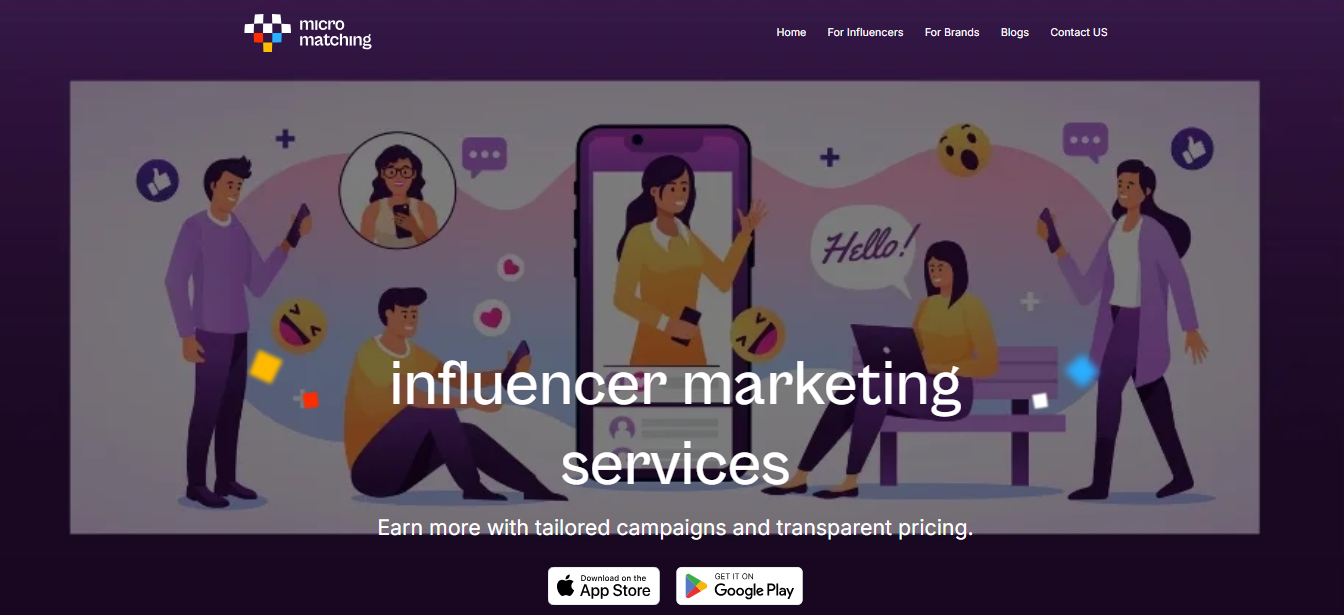
Top Micro-Influencer Platforms for Enhancing Your Brand Visibility in 2026
In the modern digital marketing landscape, micro-influencer marketing has become one of the most effective strategies for brands looking to build trust and increase visibility. Instead of relying on celebrities with millions of followers, many companies are partnering with smaller creators who have highly engaged audiences. These creators, often called micro-influencers, typically have between 10,000 and 100,000 followers and can deliver authentic recommendations that resonate strongly with their communities. Businesses across industries—from e-commerce to technology—are now using Micro-Influencer Platforms to discover creators, manage collaborations, and track campaign performance. These platforms make it easier for brands to connect with the right influencers without spending countless hours searching social media. The growth of influencer marketing has been significant in recent years. According to industry data, the global influencer marketing market is expected to exceed $22 billion, showing how important influencer collaborations have become for modern brand promotion. In this article, we will explore the top 16 micro-influencer platforms in 2026 that help businesses enhance brand visibility, build authentic relationships with creators, and run successful marketing campaigns. What Are Micro-Influencer Platforms? Micro-influencer platforms are specialized marketing tools or marketplaces that connect brands with influencers who have smaller but highly engaged audiences. These platforms simplify the entire influencer marketing process by providing tools for influencer discovery, campaign management, communication, and analytics. Instead of manually searching through social media profiles, brands can use these platforms to filter influencers based on: These features allow marketers to quickly identify creators who align with their brand values and target audience. Micro-influencer platforms also help brands manage multiple influencer partnerships simultaneously. They provide dashboards where companies can track campaign performance, measure engagement, and calculate return on investment. Why Micro-Influencers Are Important for Brand Visibility Micro-influencers have become extremely valuable for brands because of their authentic connections with followers. Unlike large celebrities who may promote many products, micro-influencers often focus on specific niches such as fitness, travel, technology, or skincare. This specialization creates stronger trust between influencers and their audiences. Higher Engagement Rates Micro-influencers usually achieve higher engagement rates compared to larger influencers. Their followers feel more connected to them, which leads to more likes, comments, and shares. Authentic Recommendations Followers view micro-influencers as relatable individuals rather than distant celebrities. This authenticity makes product recommendations feel more genuine. Cost-Effective Marketing Working with micro-influencers is often more affordable than partnering with large influencers. Brands can collaborate with multiple creators for the same budget and reach diverse audiences. Strong Community Influence Micro-influencers often build tight-knit communities around specific interests, making them highly effective for targeted marketing campaigns. Top 1 Micro-Influencer Platforms in 2026 Below are some of the best micro-influencer platforms that help brands discover influencers, manage campaigns, and improve marketing results. 1. Micromatching Micromatching is a micro-influencer marketing platform that connects brands with the right creators through structured and transparent campaigns. Brands can launch campaigns using pre-defined packages or create customized collaborations based on their marketing goals and budget. Influencers choose campaigns that align with their audience, ensuring authentic promotion and higher engagement. The platform also provides performance tracking and analytics, helping both brands and influencers measure campaign success and build long-term partnerships. Explore More 1. GRIN GRIN is one of the most popular micro-influencer platforms designed mainly for e-commerce brands. It helps businesses find influencers, manage relationships, and track campaign performance from a single dashboard. The platform integrates directly with major e-commerce tools, making it easier for brands to send products to influencers and track sales generated from collaborations. 2. Upfluence Upfluence is a comprehensive influencer marketing platform that provides access to millions of influencer profiles across multiple social media platforms. It allows brands to search for influencers using detailed filters such as location, audience demographics, niche, and engagement rate. One of the key advantages of Upfluence is its strong e-commerce integration, which connects directly with platforms like Shopify and WooCommerce. This allows businesses to identify influencers who are already customers of their brand, making collaborations more authentic. Upfluence also offers campaign management tools, influencer outreach automation, and detailed analytics that help brands measure return on investment. 3. Aspire Aspire is a powerful influencer marketing platform that focuses on helping brands build long-term relationships with creators. Instead of simply connecting brands with influencers for single campaigns, Aspire encourages companies to create ongoing ambassador programs. The platform includes a creator marketplace, influencer discovery tools, and campaign management features that make collaboration easier. Brands can communicate directly with influencers, approve content, and track performance through a centralized dashboard. Aspire is particularly popular among direct-to-consumer brands that want to build strong influencer communities around their products. Key Features to Look for in Micro-Influencer Platforms When selecting a micro-influencer platform, businesses should focus on features that improve campaign efficiency and marketing performance. Influencer Discovery Tools The most important feature is the ability to easily find influencers who match your brand’s target audience. Advanced platforms provide filters for niche, engagement rate, follower count, and audience demographics. Campaign Management Dashboard Managing multiple influencer collaborations can quickly become complicated. A centralized dashboard allows brands to track content deliverables, campaign timelines, and influencer communication. Performance Analytics Analytics tools help brands measure campaign success by tracking metrics such as reach, impressions, engagement, and conversions. Fraud Detection Some platforms offer audience authenticity analysis to detect fake followers and suspicious engagement patterns. This helps ensure brands work with genuine influencers. Benefits of Using Micro-Influencer Platforms Using a dedicated micro-influencer platform offers several advantages compared to manual influencer outreach. Saves Time Searching for influencers manually on social media can take hours or even days. Platforms automate the discovery process and provide detailed influencer profiles. Improves Campaign Efficiency Campaign management tools allow brands to organize collaborations, track content approvals, and monitor campaign performance from one dashboard. Access to Verified Influencers Many platforms verify influencer profiles and analyze audience authenticity, reducing the risk of working with fake influencers. Better ROI Tracking With integrated analytics, brands can measure how influencer collaborations impact website traffic, engagement, and sales. How to Choose the Right Micro-Influencer Platform
Brand Marketing Strategy for Startups and Small Businesses
Building a powerful Brand Marketing Strategy is one of the most important steps for startups and small businesses. Many entrepreneurs focus only on sales and advertising. But here’s the truth: without strong branding, marketing efforts feel random and short-term. Your brand is not just your logo. It’s not just colors or fonts. Your brand is how people feel about your business. And that feeling influences whether they buy from you—or your competitor. Let’s break down how startups and small businesses can create an effective Brand Marketing Strategy that drives long-term growth. What Is a Brand Marketing Strategy? A Brand Marketing Strategy is a long-term plan designed to build awareness, trust, and loyalty around your business. Instead of pushing products constantly, it focuses on shaping perception. Think of branding as planting seeds. Sales are the fruit—but branding is the root system that keeps everything alive. For startups, this is even more critical. You don’t have years of reputation behind you. Your strategy must create that trust from day one. Why Brand Marketing Strategy Matters for Small Businesses Small businesses operate in competitive markets. Customers have options. So why should they choose you? A strong Brand Marketing Strategy helps you: When customers connect emotionally with a brand, price becomes less important. That’s powerful. Step 1: Define Your Brand Identity Every successful Brand Marketing Strategy starts with clarity. Ask yourself: Define your: Are you bold and innovative? Friendly and approachable? Premium and exclusive? Consistency in identity builds recognition. Step 2: Understand Your Target Audience You cannot market to everyone. A focused approach works better. Identify your target audience by analyzing: Create a detailed customer persona. When you know exactly who you’re talking to, your Brand Marketing Strategy becomes sharper and more effective. Step 3: Develop a Unique Value Proposition Your unique value proposition (UVP) explains why customers should choose you. A strong UVP answers three questions: For example:“We help small businesses grow online with affordable, results-driven digital marketing solutions.” Clarity attracts the right audience. Step 4: Build a Consistent Brand Presence Consistency is the backbone of successful branding. Your website, social media profiles, packaging, and advertisements should all reflect the same tone and visual identity. Focus on: A consistent Brand Marketing Strategy increases recognition and builds trust over time. Step 5: Use Content Marketing to Strengthen Your Brand Content marketing plays a major role in building brand authority. Create: When your audience learns something valuable from you, they begin to see you as an expert. This improves both search engine rankings and brand credibility. Step 6: Leverage Social Media Marketing Social media platforms allow startups to compete without massive budgets. Focus on platforms where your audience is active. Share: Engage with followers by responding to comments and messages. Interaction strengthens relationships and supports your overall Brand Marketing Strategy. Step 7: Build Trust Through Social Proof People trust recommendations. Encourage satisfied customers to leave: Social proof enhances credibility and makes new customers feel confident about choosing your brand. Step 8: Monitor and Improve Your Strategy A Brand Marketing Strategy is not static. It evolves. Track important metrics like: Analyze data regularly and refine your approach based on performance. Common Mistakes to Avoid Many startups struggle because they: Avoid these mistakes to maintain a strong and consistent brand identity. Conclusion A well-planned Brand Marketing Strategy is essential for startups and small businesses that want sustainable growth. It builds trust, strengthens recognition, and creates meaningful connections with customers. Remember, branding is a long-term investment. You may not see instant results—but consistency pays off. Define your identity. Understand your audience. Deliver value. Stay consistent. Over time, your brand will become your strongest competitive advantage. If you implement these strategies effectively, your small business won’t just compete—you’ll stand out and grow confidently in today’s digital marketplace.