
In the modern digital marketing landscape, micro-influencer marketing has become one of the most effective strategies for brands looking to build trust and increase visibility. Instead of relying on celebrities with millions of followers, many companies are partnering with smaller creators who have highly engaged audiences. These creators, often called micro-influencers, typically have between 10,000 and 100,000 followers and can deliver authentic recommendations that resonate strongly with their communities.
Businesses across industries—from e-commerce to technology—are now using Micro-Influencer Platforms to discover creators, manage collaborations, and track campaign performance. These platforms make it easier for brands to connect with the right influencers without spending countless hours searching social media.
The growth of influencer marketing has been significant in recent years. According to industry data, the global influencer marketing market is expected to exceed $22 billion, showing how important influencer collaborations have become for modern brand promotion.
In this article, we will explore the top 16 micro-influencer platforms in 2026 that help businesses enhance brand visibility, build authentic relationships with creators, and run successful marketing campaigns.
What Are Micro-Influencer Platforms?
Micro-influencer platforms are specialized marketing tools or marketplaces that connect brands with influencers who have smaller but highly engaged audiences. These platforms simplify the entire influencer marketing process by providing tools for influencer discovery, campaign management, communication, and analytics.
Instead of manually searching through social media profiles, brands can use these platforms to filter influencers based on:
- Audience demographics
- Engagement rate
- Industry or niche
- Geographic location
- Social media platform
These features allow marketers to quickly identify creators who align with their brand values and target audience.
Micro-influencer platforms also help brands manage multiple influencer partnerships simultaneously. They provide dashboards where companies can track campaign performance, measure engagement, and calculate return on investment.
Why Micro-Influencers Are Important for Brand Visibility
Micro-influencers have become extremely valuable for brands because of their authentic connections with followers. Unlike large celebrities who may promote many products, micro-influencers often focus on specific niches such as fitness, travel, technology, or skincare.
This specialization creates stronger trust between influencers and their audiences.
Higher Engagement Rates
Micro-influencers usually achieve higher engagement rates compared to larger influencers. Their followers feel more connected to them, which leads to more likes, comments, and shares.
Authentic Recommendations
Followers view micro-influencers as relatable individuals rather than distant celebrities. This authenticity makes product recommendations feel more genuine.
Cost-Effective Marketing
Working with micro-influencers is often more affordable than partnering with large influencers. Brands can collaborate with multiple creators for the same budget and reach diverse audiences.
Strong Community Influence
Micro-influencers often build tight-knit communities around specific interests, making them highly effective for targeted marketing campaigns.
Top 1 Micro-Influencer Platforms in 2026
Below are some of the best micro-influencer platforms that help brands discover influencers, manage campaigns, and improve marketing results.
1. Micromatching
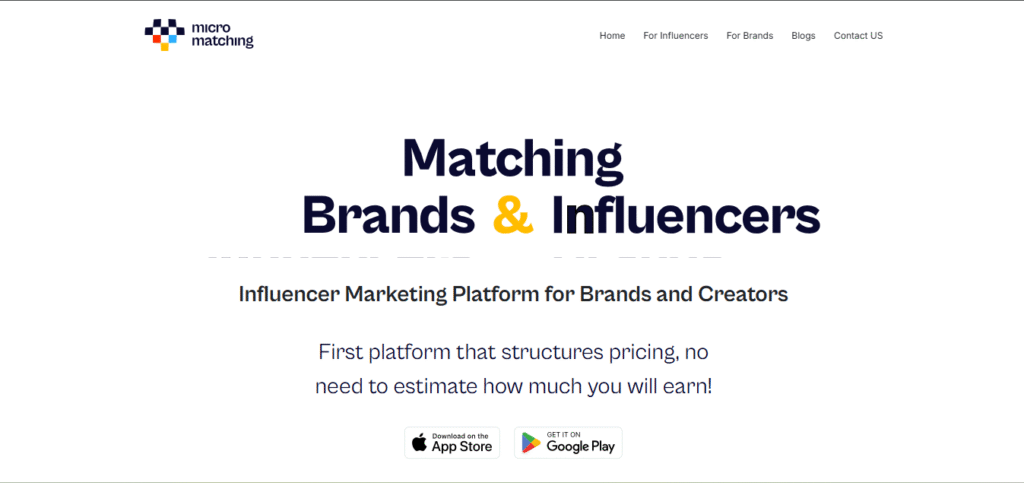
Micromatching is a micro-influencer marketing platform that connects brands with the right creators through structured and transparent campaigns. Brands can launch campaigns using pre-defined packages or create customized collaborations based on their marketing goals and budget. Influencers choose campaigns that align with their audience, ensuring authentic promotion and higher engagement. The platform also provides performance tracking and analytics, helping both brands and influencers measure campaign success and build long-term partnerships. Explore More
1. GRIN

GRIN is one of the most popular micro-influencer platforms designed mainly for e-commerce brands. It helps businesses find influencers, manage relationships, and track campaign performance from a single dashboard. The platform integrates directly with major e-commerce tools, making it easier for brands to send products to influencers and track sales generated from collaborations.
2. Upfluence
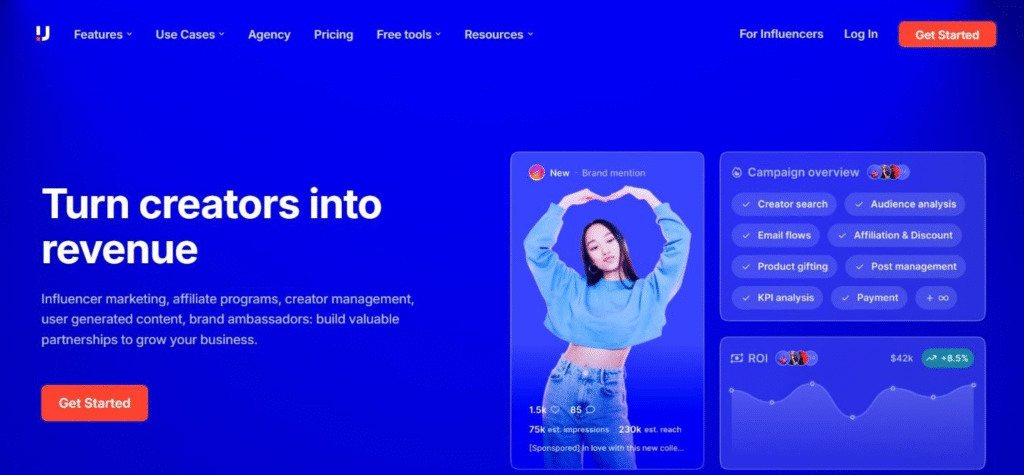
Upfluence is a comprehensive influencer marketing platform that provides access to millions of influencer profiles across multiple social media platforms. It allows brands to search for influencers using detailed filters such as location, audience demographics, niche, and engagement rate.
One of the key advantages of Upfluence is its strong e-commerce integration, which connects directly with platforms like Shopify and WooCommerce. This allows businesses to identify influencers who are already customers of their brand, making collaborations more authentic. Upfluence also offers campaign management tools, influencer outreach automation, and detailed analytics that help brands measure return on investment.
3. Aspire
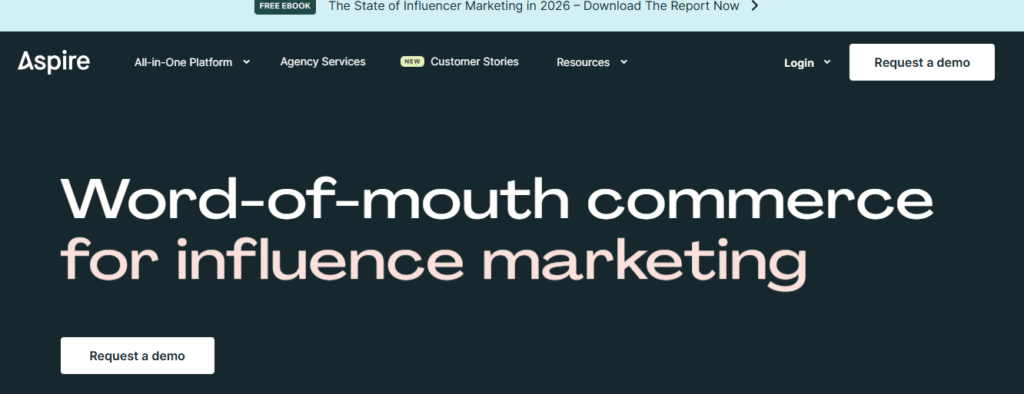
Aspire is a powerful influencer marketing platform that focuses on helping brands build long-term relationships with creators. Instead of simply connecting brands with influencers for single campaigns, Aspire encourages companies to create ongoing ambassador programs.
The platform includes a creator marketplace, influencer discovery tools, and campaign management features that make collaboration easier. Brands can communicate directly with influencers, approve content, and track performance through a centralized dashboard. Aspire is particularly popular among direct-to-consumer brands that want to build strong influencer communities around their products.
Key Features to Look for in Micro-Influencer Platforms
When selecting a micro-influencer platform, businesses should focus on features that improve campaign efficiency and marketing performance.
Influencer Discovery Tools
The most important feature is the ability to easily find influencers who match your brand’s target audience. Advanced platforms provide filters for niche, engagement rate, follower count, and audience demographics.
Campaign Management Dashboard
Managing multiple influencer collaborations can quickly become complicated. A centralized dashboard allows brands to track content deliverables, campaign timelines, and influencer communication.
Performance Analytics
Analytics tools help brands measure campaign success by tracking metrics such as reach, impressions, engagement, and conversions.
Fraud Detection
Some platforms offer audience authenticity analysis to detect fake followers and suspicious engagement patterns. This helps ensure brands work with genuine influencers.
Benefits of Using Micro-Influencer Platforms
Using a dedicated micro-influencer platform offers several advantages compared to manual influencer outreach.
Saves Time
Searching for influencers manually on social media can take hours or even days. Platforms automate the discovery process and provide detailed influencer profiles.
Improves Campaign Efficiency
Campaign management tools allow brands to organize collaborations, track content approvals, and monitor campaign performance from one dashboard.
Access to Verified Influencers
Many platforms verify influencer profiles and analyze audience authenticity, reducing the risk of working with fake influencers.
Better ROI Tracking
With integrated analytics, brands can measure how influencer collaborations impact website traffic, engagement, and sales.
How to Choose the Right Micro-Influencer Platform
Choosing the best Micro-Influencer Platforms depends on your marketing goals, budget, and campaign scale.
Define Your Marketing Goals
Decide whether your primary goal is brand awareness, product promotion, or sales conversions. Different platforms specialize in different types of campaigns.
Consider Platform Integration
If you run an e-commerce store, look for platforms that integrate with your online store for affiliate tracking and product gifting.
Evaluate Database Size
A larger influencer database gives you more options for finding creators that match your niche.
Check Pricing Plans
Influencer marketing platforms offer various pricing models, including subscription plans and campaign-based pricing.
Future Trends in Micro-Influencer Platforms
The influencer marketing industry continues to evolve rapidly, and micro-influencer platforms are adapting to new technologies and marketing strategies.
One of the biggest trends is the integration of artificial intelligence. AI-powered platforms can analyze audience behavior, predict campaign performance, and recommend influencers who are most likely to generate results.
Another growing trend is the use of user-generated content (UGC) in advertising campaigns. Brands increasingly rely on micro-influencers to create authentic content that can be used across social media and paid advertising campaigns.
Additionally, many platforms are focusing on social commerce integration, allowing brands to directly track sales generated through influencer partnerships.
Conclusion
Micro-influencer marketing has become a powerful strategy for brands seeking authentic connections with their audiences. Instead of relying solely on large influencers, businesses are increasingly partnering with smaller creators who have loyal and highly engaged communities.
Using the right Micro-Influencer Platforms makes it easier for brands to discover influencers, manage campaigns, and measure marketing performance. Platforms such as GRIN, Upfluence, Influencity, and Aspire provide powerful tools that simplify influencer collaborations and improve campaign results.
As influencer marketing continues to grow, micro-influencer platforms will play an even bigger role in helping brands build trust, expand reach, and enhance their online visibility.