
Introduction
Influencers marketing has become one of the most powerful digital marketing strategies for brands looking to reach targeted audiences and build trust online. Instead of traditional advertising, businesses collaborate with influencers who have loyal followers on social media platforms. These influencers promote products or services in a more authentic way, helping brands increase visibility, engagement, and sales.
In this beginner’s guide to influencer marketing, you’ll learn what influencer marketing is, how it works, and how brands can successfully start their first campaign.
What Is Influencer Marketing?
Influencers marketing is a strategy where brands collaborate with social media creators or influencers to promote products or services to their audience.
Influencers have built credibility in a specific niche such as:
- Fashion
- Beauty
- Fitness
- Technology
- Travel
- Lifestyle
Because followers trust their opinions, influencer recommendations often feel more genuine than traditional ads.
Influencer Marketing Industry Growth
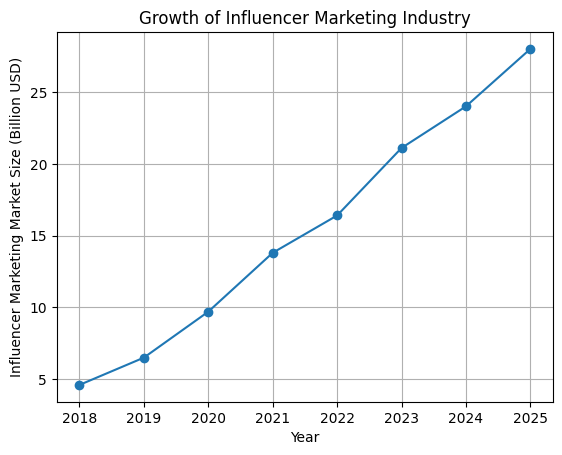
Influencer marketing has grown rapidly over the past few years as brands shift their budgets from traditional advertising to social media creators. Businesses now prefer working with influencers because they provide authentic promotion and higher engagement rates compared to traditional ads. Upfluence influencer marketing platform
According to industry trends, the influencer marketing market has increased significantly and continues to grow every year. More brands are investing in influencer collaborations to reach targeted audiences on platforms like:
- TikTok
This growth shows that influencer marketing has become an essential strategy in modern digital marketing
Why Brands Are Investing in Influencer Marketing
1. Higher Engagement
Influencers have strong relationships with their followers. When they recommend a product, audiences are more likely to trust and engage with the content.
2. Targeted Audience Reach
Brands can partner with influencers in specific niches such as:
- Beauty
- Fitness
- Technology
- Travel
- Fashion
This allows companies to reach highly relevant audiences.
3. Authentic Promotion
Unlike traditional advertising, influencer content feels more natural. Followers see influencers as trusted sources rather than advertisers.
Why Influencer Marketing Is Important
Influencer marketing continues to grow because it helps brands connect with audiences in a more personal way.
Key benefits include:
- Higher engagement rates
- Authentic brand promotion
- Access to niche audiences
- Improved brand awareness
- Better conversion rates
Many businesses now include influencer marketing as a core part of their digital marketing strategy.
Types of Influencers
Influencers are usually categorized based on their follower count.
1. Nano Influencers
Followers: 1K – 10K
They often have very strong engagement and close connections with their audience.
2. Micro Influencers
Followers: 10K – 100K
Micro influencers are popular among brands because they provide a balance between reach and engagement.
3. Macro Influencers
Followers: 100K – 1M
They have a large audience and strong brand visibility.
4. Mega Influencers
Followers: 1M+
These are celebrities or well-known personalities with massive reach.
How Influencer Marketing Works
Influencer marketing usually follows a simple process.
- Brands identify the right influencers
- A campaign collaboration is planned
- Influencers create promotional content
- The content is shared with their audience
- Campaign performance is measured
This approach allows brands to reach highly targeted audiences effectively.
Popular Influencer Marketing Platforms
Many brands use influencer marketing platforms to find creators and manage campaigns efficiently.
These platforms help with:
- Influencer discovery
- Campaign management
- Performance tracking
- Analytics and reporting
Using a platform makes influencer collaboration easier and more transparent.
How to Start an Influencer Marketing Campaign
If you’re new to influencer marketing, follow these steps:
1. Define Your Goals
Decide whether your goal is brand awareness, traffic, or sales.
2. Find the Right Influencers
Choose influencers whose audience matches your target market.
3. Set a Budget
Influencer marketing budgets vary depending on influencer size and campaign scope.
4. Create a Clear Campaign Brief
Provide influencers with clear guidelines about the campaign message and deliverables.
5. Track Performance
Measure engagement, reach, clicks, and conversions to evaluate campaign success.
Influencer Marketing Trends in 2026
The influencer marketing industry continues to evolve with new trends.
Some key trends include:
- Growth of micro-influencers
- More authentic brand collaborations
- Data-driven campaign tracking
- Long-term influencer partnerships
- Rise of niche content creators
Brands that adapt to these trends can achieve better results.
Conclusion
Influencer marketing has become an essential strategy for brands that want to connect with modern audiences. By partnering with the right influencers, businesses can build trust, increase engagement, and drive meaningful results.
For beginners, starting with micro-influencers and clear campaign goals is often the best way to achieve success. As the industry grows, influencer marketing will continue to play a major role in digital marketing strategies worldwide.



1 Comment
their audiences. Instead of relying solely on large influencers, businesses are partnering with micro influencers who have highly engaged communities and strong