
Small Business Influencer Marketing Tips Influencer marketing is no longer limited to well-known brands with huge budgets. In 2025–26, small businesses have more opportunities than ever to grow visibility, improve trust, and increase sales using influencers — but only if they follow the right strategy. The old methods of sending free products and hoping for results do not work anymore. Today, consumers expect authenticity, transparency, and real value. If your business wants to succeed with influencer marketing in the coming years, you must follow practical methods that deliver real outcomes. This guide shares proven and realistic tactics that small business owners can use immediately — without complicated tools or massive spending. Why Influencer Marketing Matters More Than Ever Social media platforms like Instagram, TikTok, and even LinkedIn are no longer just entertainment channels. They have become shopping hubs where users discover new products, learn about services, and build trust in brands. Unlike traditional advertising, influencer promotions feel personal. When people see someone they trust using a product or service, they are more likely to explore it themselves. This human connection makes influencer content powerful — especially for smaller brands competing with bigger companies. But success does not come from random partnerships. It comes from smart selection, honest collaboration, and meaningful content planning. Find Influencers Who Match Your Brand Style One of the most common mistakes small businesses make is focusing only on follower count. Numbers do not always mean quality. An influencer with fewer followers but strong engagement and loyal fans often delivers better results. When choosing an influencer, look for: Spend time reviewing past posts, comments, and collaborations. Do not rush this step. A wrong partnership can waste time and money. Build Relationships Before Making an Offer Cold messages that only say “Want to collaborate?” are often ignored. Influencers receive many partnership requests, and most look the same. Instead, build a genuine connection first: Once there’s a visible connection, send your offer in a respectful and personal way. Mention what you like about their content and explain why your product or service fits well with their audience. This increases your chance of getting a reply and builds long-term cooperation rather than one-time promotion. Create Simple and Clear Collaboration Plans Influencers perform best when they fully understand your expectations. Always provide simple guidelines without making content feel forced. Your message should include: Avoid over-controlling creative direction. Influencers know what their followers like, so allow space for personal style. Their creativity is one of the main reasons people trust them. Track Results Using Simple Metrics You don’t need expensive software to track how your influencer marketing is performing. Start with basic indicators, such as: Create a spreadsheet to log campaign details and results. Over time, you will understand which influencers and content formats work best for your business. Use Your Content Again and Again (With Permission) Influencers create valuable content. You should not let it disappear after one post. With permission, reuse influencer content in: This boosts trust because visitors see real faces using your product or service. Focus on Video-Based Platforms In 2025–26, video content will dominate even more. Short-form videos attract the most attention and are shared more often than images. Encourage influencers to use: These formats build authenticity and increase user engagement naturally. Be Honest About Expectations and Payments Even small businesses should be professional. Always communicate: Clear agreements prevent misunderstandings and protect both sides. If your budget is low, offer: Many influencers value ongoing partnerships over one-time payments. Micro Influencers Bring Better Results Smaller influencers often perform better for small businesses. Why? Because: This is where the most effective Small Business Influencer Marketing Tips apply. Instead of chasing viral accounts, focus on creators who build direct relationships with followers. Test, Learn, and Improve Each Campaign No strategy works perfectly on the first try. Treat each influencer campaign as an experiment. After every collaboration, review: Then adjust and improve the next campaign accordingly. Keep Influencer Marketing Long-Term One-time promotions rarely give strong results. Instead, create lasting partnerships. When audiences see the same influencer talking about your brand multiple times, trust grows naturally. Over time, their followers no longer see your brand as a promotion — but as a favorite recommendation. Final Thoughts Influencer marketing in 2025–26 is all about authenticity, relationship-building, and smart planning. Small businesses no longer need huge money or famous influencers to succeed. What they need is the right strategy, real connections, and helpful content. If you implement the ideas shared above, your influencer marketing efforts will become more consistent, reliable, and effective — without confusion or waste. The most powerful Small Business Influencer Marketing Tips are not about shortcuts, but about creating genuine partnerships that work for both sides.
Instagram Influencer Marketing: What’s New & What’s Next in 2025–2026
Best Instagram Influencer Marketing The world of Instagram influencer marketing is changing faster than ever. Brands are no longer relying on old methods of collaboration. Instead, they are exploring creative ways to connect, engage, and convert through creators who shape trends every day. As the platform continues to evolve, the demand for the Best Instagram Influencer Marketing approach has grown significantly. Businesses want strategies that are authentic, high-impact, and aligned with user behavior. 1. The Shift Toward Authentic Micro-Creators Over the last few years, micro-creators have gained massive attention. Unlike bigger profiles with millions of followers, micro-creators focus on tight, highly interactive communities. In 2025–2026, brands are predicted to collaborate even more with these creators because audiences trust them for genuine reviews, recommendations, and lifestyle inspiration. The Best Instagram Influencer Marketing strategies now prioritize engagement quality, not follower count. Micro-creators also help brands save budget while achieving strong campaign results. Their followers appreciate honest opinions, which makes content more relatable and effective. 2. Rise of Short-Form Video Collaborations Short-form videos continue dominating user attention. In 2025–2026, brands will partner with creators who make engaging clips, transitions, behind-the-scenes videos, and storytelling content. These videos offer emotional connection and help users understand a product’s benefits in seconds. Creators with skills in transitions, trending audio, and natural storytelling will lead the market. Brands looking for the Best Instagram Influencer Marketing approach should focus on short-form formats that are crisp, aesthetic, and value-driven. 3. AI-Assisted Content Creation Artificial intelligence tools are becoming essential for creators. They help in idea generation, caption writing, analytics understanding, and content scheduling. In the coming years, more creators will use AI to plan their content calendar, optimize engagement timing, and analyze audience behavior. Brands will benefit from this shift because AI-enhanced content tends to be more consistent, strategic, and high performing. Future-focused marketing teams will blend AI insights with human creativity for better results. 4. Trend-Driven Collaborations Instagram trends change weekly—sometimes daily. In 2025–2026, brands must stay flexible and collaborate with creators who understand trends instantly. Whether it’s new filters, transitions, or viral challenges, creators who adapt quickly deliver stronger reach. To achieve the Best Instagram Influencer Marketing outcome, brands should allow creators freedom to experiment with ongoing trends. Letting creators use their natural style increases content authenticity and engagement. 5. Long-Term Partnerships Over One-Time Posts Brands are moving away from one-post campaigns. Instead, multi-month collaborations are becoming the new standard. Long-term partnerships help build stronger brand recall, deeper community connection, and a consistent online presence. Working with the same creator across months ensures audiences trust the product more. This boosts awareness and improves brand credibility. In 2025–2026, long-term partnerships will be one of the most powerful strategies. 6. More Focus on Niche Content Niche communities like skincare, wellness, fitness, food, travel, fashion, and tech continue to grow. In 2025–2026, brands will focus more on niche creators because they speak directly to audiences with specific interests. If a brand wants high-quality leads, niche creators are the best option. Their community respects their expertise and follows their recommendations closely. Combining niche authority with the Best Instagram Influencer Marketing techniques results in powerful outcomes. 7. Emphasis on Story-Based Promotion Users prefer stories over plain promotions. Story-based content, where creators explain how a product fits into their daily routine, increases emotional connection. In the next two years, storytelling will become a core part of influencer marketing. Creators will use stories, reels, live streams, and carousel posts to share experiences that feel natural. Brands should encourage creators to highlight benefits through real situations rather than scripted messaging. 8. Creator-Led Product Launches Brands are now using creators to launch products. Instead of traditional advertising, they allow creators to reveal, unbox, and demonstrate products directly to their community. This builds hype, trust, and instant visibility. Creator-led launches will continue to dominate in 2025–2026 as they provide authenticity and reach at the same time. 9. The Power of Social Proof & Community Interaction Engagement is not only likes or comments. In the next phase of influencer marketing, social proof will be created through community discussions, Q&A sessions, polls, and live reactions. Audiences want to feel connected. Creators who maintain an active community will be the most valuable for brands. These community interactions help build loyalty and encourage users to try products naturally. Conclusion The future of Instagram influencer marketing is bright, dynamic, and innovation-driven. Brands that adopt authentic creators, short-form storytelling, niche-focused partnerships, and trend-based strategies will stay ahead. With the Best Instagram Influencer Marketing approach, businesses can achieve stronger connection, greater engagement, and long-term growth in 2025–2026.

Best Influencer Marketing Agency for Top Brands: A Smart Choice for Authentic Growth
In today’s saturated digital space, finding the best influencers marketing agency is crucial for top brands that want to build authentic connections and drive meaningful engagement. Not all agencies are created equal, and for leading brands, partnering with a platform that taps into the power of micro-influencers can deliver higher ROI, more trust, and more precise targeting. One such platform stands out by offering transparency, structured pricing, and performance-driven collaborations. Why “Best Influencer Marketing Agency” Matters for Top Brands When top brands choose an influencer marketing partner, they prioritize more than just reach. They care about engagement, audience quality, and campaign efficiency. The best influencers marketing agency for them is the one that understands niche markets, delivers transparent pricing, and maintains a high level of control over campaign design. This kind of agency helps brands go beyond vanity metrics and drive conversions or brand awareness in a measurable way. Transparent & Structured Pricing for Strategic Campaigns One of the defining features of this influencer marketing approach is its pre-defined packages. Brands can set up campaigns with fixed-rate bundles that clearly detail what influencers will do (posts, stories, videos) and how much each package costs. This transparent model lets brands plan their budget without unpleasant surprises. For top brands, this means they can allocate a fixed influencer budget with confidence, ensuring clarity and predictability in their spend. At the same time, brands can opt for customized campaigns—configuring actions, deliverables, and timing according to their marketing goals. Whether the goal is brand awareness, product sampling, or click-driven actions, brands can design a campaign that aligns with their KPIs. This flexibility ensures that this is not just an influencer marketing agency, but a strategic partner. Finding the Right Influencers — Niche, Authentic, & Engaged A major reason why this model stands out as the best influencers marketing agency for top brands is its network of niche micro-influencers. Rather than targeting only large macro-influencers, the platform provides brands with access to creators who are deeply embedded in specific communities, including fitness, beauty, sustainability, tech, and lifestyle. These micro-influencers may have smaller followings, but they tend to generate higher engagement rates, making them ideal collaborators for brands that want genuine influence rather than just visibility. By leveraging a targeted approach, top brands can connect with creators who share their values, voice, and audience. This alignment ensures that influencer content feels sincere, preventing the pitfalls of inauthentic or misaligned endorsements. Performance Tracking & Data-Driven Optimization Another hallmark of a best influencers marketing agency is performance transparency. Brands on the Micromatching-style platform can track campaign performance in real time, using detailed analytics. This includes engagement metrics, content reach, and other data-driven insights. With this data, brands can refine future activations — for example, increasing volume with high-performing influencers or tweaking content strategies for better resonance. This data-centric approach ensures that campaigns are not just creative but also measurable, so top brands can prove ROI and justify continued investment in influencer marketing. Long-Term Partnerships & Scale with Authenticity Unlike one-off campaigns, this platform enables ongoing partnerships. When brands experience success with specific creators, they can continue to engage them in future campaigns. These long-term relationships create deeper authenticity, because influencers learn to tell the brand story in a more natural, compelling way. For top brands looking for scale without sacrificing real connection, this continuity is gold. Mutual Benefit: Influencers Earn, Brands Gain Exposure In this model, influencers pick campaigns that align with their own brand and audience. They know exactly what deliverables are expected and what they will earn for each package. This transparency builds trust and ensures that creators deliver high-quality content. For top brands, the result is collaborations that feel organic, not transactional — making campaigns more effective and more likely to build long-term brand advocates. Efficiency, Authenticity, and Cost Effectiveness Putting together an influencer campaign through this kind of agency is efficient. Brands don’t need to handle every micro-influencer directly or negotiate individual contracts. The structured packages save time, while performance tracking reduces inefficiencies. More importantly, working with micro-influencers often delivers cost-effective results — you tap into niche audiences who are genuinely interested in your brand, without blowing the budget on celebrity endorsements. Conclusion: Why This is the Best Choice for Top Brands For top brands seeking to elevate their influencer strategy, the best influencer marketing agency is not necessarily one that promises reach at any cost. Instead, the ideal partner is one that prioritizes: This model empowers brands to run high-impact campaigns that are measurable, authentic, and scalable. If your brand is looking to harness the power of micro-influencers, this structured, data-driven platform could be the best influencers marketing agency for delivering real business results.
Influencer Marketing Strategy Guide for 2025-2026
What Is Influencer Marketing Strategy? A Complete Guide for Brands Best influencer marketing agency In today’s digital world, influencers play a major role in shaping consumer behavior. Whether you’re a small brand or a global enterprise, having a solid influencer marketing strategy is essential for visibility, trust, and growth. This guide explains what an influencer marketing strategy is, why it matters, and how brands can create one that drives real results. With the right approach—and in some cases, support from the best influencer marketing agency—your brand can build strong partnerships and meaningful engagement. What Is an Influencer Marketing Strategy? An influencer marketing strategy is a structured plan that outlines how your brand collaborates with influencers to achieve specific marketing goals. Instead of choosing creators randomly, this strategy ensures your partnerships are based on audience data, branding goals, and measurable objectives. A strong strategy helps brands: When managed correctly, influencer activities become a powerful part of your brand’s marketing ecosystem. Why Your Brand Needs an Influencer Marketing Strategy Building strong collaborations requires more than sending products to creators. Brands need clarity, structure, and direction. Here’s why a well-planned approach matters: 1. Clear Branding Alignment Not every influencer is a good match. A strategy ensures you partner with creators who reflect your brand’s values, tone, and visual identity. Strong branding alignment leads to better content and stronger audience trust. 2. Better Audience Targeting A successful strategy defines target audience demographics, interests, and behaviors. Influencers are then selected based on the alignment of their followers with your ideal customer. 3. Consistent & Measurable Performance Your strategy outlines KPIs such as engagement, reach, conversions, or clicks. This helps track progress and refine future collaborations. This is why many brands work with the top influencer marketing agency, which provides data, tools, and expertise to guide effective decision-making. Key Elements of a Successful Influencer Marketing Strategy To build a strategy that gets results, include the following components: 1. Set Clear Goals Ask yourself: What do you want to achieve?Common goals include: 2. Identify the Right Influencers Look beyond follower count. Consider: A structured influencer marketing strategy makes this selection process more accurate and efficient. 3. Choose the Right Platforms Different influencers perform better on different platforms: Your chosen platform should align with your goals and audience. 4. Plan Content Direction While influencers use their own creativity, brands should provide guidelines to maintain branding consistency. This may include: 5. Set a Realistic Budget Influencers vary greatly in cost. Your strategy should define how much you can invest and how many influencers you can work with at each tier. 6. Track & Analyze Performance The final step is measuring what worked and what didn’t. This helps refine your future influencer marketing strategy for better results. Working With an Agency to Improve Your Strategy If your brand wants professional guidance, partnering with the best influencer marketing agency or a top influencer marketing agency can make a significant difference. Agencies offer: This ensures every influencer partnership contributes to your larger business goals. Final Thoughts A powerful influencer marketing strategy is crucial for brands seeking meaningful online visibility and long-term customer trust. With clear goals, smart influencer selection, strong branding, and consistent monitoring, businesses can build campaigns that truly resonate. Whether you manage it in-house or partner with a top influencer marketing agency, the right strategy will guide your brand toward stronger connections and measurable growth.
Top 10 Influencer Marketing Trends Every Brand Should Know in 2025
The world of influencer marketing continues to evolve faster than ever. What started as simple brand shoutouts on social media has transformed into a data-driven industry worth billions. In 2025, brands are no longer chasing vanity metrics — they’re focusing on trust, structure, and transparency. Here are the top 10 influencer marketing trends shaping the industry this year, and how your brand can stay ahead. 1. Structured Campaigns Are Becoming the Norm Gone are the days of informal collaborations and unclear deliverables. Today’s brands are investing in structured campaigns with predefined goals, timelines, and transparent deliverables. This approach ensures clarity for both brands and influencers — reducing miscommunication and improving performance tracking. 2. Transparent Pricing Builds Trust In 2025, transparent pricing is at the heart of successful partnerships. Influencers and brands are tired of hidden fees and inconsistent rates. Platforms like MicroMatching now standardize pricing, allowing influencers to know exactly what they’ll earn while brands can plan budgets more confidently. This transparency fosters long-term trust and fair compensation. 3. Rise of Micro and Nano Influencers While celebrity endorsements still hold value, micro and nano influencers are dominating influencer marketing in 2025. Their smaller, niche audiences offer higher engagement and authenticity. Brands are leveraging these creators for genuine brand collaborations that resonate more deeply with consumers. 4. Data-Driven Influencer Selection Selecting influencers based on follower count is outdated. Brands now use influencer marketing platforms powered by AI and analytics to identify creators whose audiences align with their target markets. Metrics like engagement quality, conversion rates, and audience demographics now guide influencer selection for better ROI. 5. Long-Term Influencer Partnerships Short-term campaigns are being replaced by long-term influencer partnerships. These consistent collaborations build brand loyalty, deeper storytelling, and stronger community engagement. Influencers become true brand advocates rather than one-time promoters — delivering sustainable impact. 6. Performance-Based Influencer Earnings In 2025, many brands are shifting to performance-based influencer earnings models. Instead of flat fees, influencers earn based on engagement, clicks, or conversions. This structured and fair system ensures both sides benefit proportionally from campaign success. 7. Video Content and Live Shopping Dominate Short-form videos and livestreams continue to drive massive engagement. Platforms like Instagram Reels, TikTok, and YouTube Shorts make it easy for influencers to connect directly with their audiences. Live shopping — combining entertainment and e-commerce — is one of the hottest influencer marketing trends this year. 8. Authenticity Over Aesthetics Consumers can easily spot sponsored content that feels forced. In 2025, authenticity is more important than perfect visuals. Influencers who share genuine experiences, personal stories, and honest reviews are seeing higher engagement and trust. Brands that value this authenticity will outperform those chasing polished ads. 9. AI and Automation in Influencer Marketing Platforms AI-driven tools now simplify everything from influencer discovery to content approval. A modern influencer marketing platform can analyze campaign data, predict ROI, and even automate reporting. This saves brands time while ensuring campaigns stay structured and effective. 10. Emphasis on Social Responsibility and Values Influencers and brands are increasingly aligning on shared values — from sustainability to inclusivity. Campaigns that promote purpose-driven messages resonate strongly with Gen Z audiences. Ethical brand collaborations that reflect real-world impact are becoming a defining feature of successful influencer marketing in 2025. Conclusion: The Future Is Structured, Transparent, and Authentic The influencer marketing industry is entering a new era — one built on structured campaigns, transparent pricing, and authentic partnerships. Brands that embrace these trends will create meaningful brand collaborations, improve influencer earnings, and build trust with audiences. With the right influencer marketing platform, 2025 can be your brand’s most successful year yet — powered by data, creativity, and connection.
Influencer Marketing Metrics That Matter: Moving Beyond Likes & Followers
Influencer Marketing Agency For years, likes and followers were the gold standard of influencer success. But as influencer marketing matures, brands are realizing that vanity metrics no longer tell the full story. Engagement without action doesn’t drive results — and inflated follower counts don’t guarantee trust or conversions. To measure true success, brands and creators must focus on meaningful metrics that reflect genuine impact, transparent performance, and structured collaboration. Let’s explore the influencer marketing metrics that matter most in 2025 and beyond. 1. Engagement Quality Over Quantity Yes, engagement still matters — but how people engage matters more than how many do. A post with 500 thoughtful comments and genuine discussion is more valuable than 5,000 random likes. Look for: A quality influencer marketing platform can help track these deeper insights, revealing which creators truly influence their audience rather than simply entertain them. 2. Conversion & ROI Tracking At the end of the day, brands care about results — sales, sign-ups, downloads, or awareness. With advanced tracking tools and structured campaign setups, it’s now easier than ever to measure conversion data directly tied to influencer efforts. Metrics that show ROI include: By running structured campaigns with pre-defined deliverables and transparent pricing, brands can clearly see how each influencer contributes to business outcomes — not just engagement numbers. 3. Authenticity & Audience Match One of the strongest predictors of campaign success is audience alignment. A well-matched influencer with a smaller, engaged community can outperform a mega-creator whose audience isn’t interested in your niche. When building brand collaborations, look at: This ensures the partnership feels natural and authentic — maintaining audience trust while delivering measurable brand value. 4. Creator Reliability & Partnership Performance Long-term success in influencer marketing comes from influencer partnerships, not one-off posts. Reliable influencers consistently meet deadlines, produce high-quality content, and drive results over time. Brands should track: A transparent, data-driven influencer marketing platform like MicroMatching can help brands identify top-performing creators, paving the way for lasting partnerships that benefit both sides. 5. Influencer Earnings & Fair Compensation Influencer marketing thrives on mutual value. When creators feel fairly compensated, they deliver better results and stay loyal to the brand. Using systems with transparent pricing and predefined packages ensures fairness. Influencers know what they’ll earn, and brands understand exactly what they’re paying for. This structured approach eliminates guesswork — creating a win-win model of trust, performance, and satisfaction. 6. Content Longevity & Post-Campaign Impact The most successful influencer campaigns generate results long after the post goes live. Tracking metrics like: …helps measure the long-term value of your influencer partnerships. This data shows whether influencers are truly shaping perceptions or simply providing short-term exposure. 7. Data Transparency & Platform Insights In 2025, data transparency has become the backbone of effective influencer marketing. Brands now demand access to real, verifiable performance insights — not screenshots or vanity analytics. Advanced influencer marketing platforms provide live dashboards that track engagement, authenticity, conversion sources, and demographic accuracy. This transparency helps brands make smarter investment decisions while empowering influencers to showcase their true impact with verified data. Final Word: From Vanity to Value Modern influencer marketing isn’t about who shouts the loudest — it’s about who connects the best. By focusing on metrics that measure authenticity, conversion, and longevity, brands can build stronger brand collaborations that deliver consistent ROI. Through structured campaigns, transparent pricing, and performance-driven insights, platforms like MicroMatching are value, not vanity.
How Brands Should Select Micro-Influencers
In today’s digital world, micro-influencers (creators with 1,000–25,000 followers) are becoming one of the most powerful tools for brands. Unlike celebrity influencers, they have niche audiences, higher engagement, and authentic connections with their followers. But how do you, as a brand, choose the right micro-influencers for your campaign? Let’s break it down. 1️⃣ Define Your Campaign Goals Before choosing influencers, be clear on what you want to achieve. Brand Awareness: Spread your name and increase visibility. Engagement: Drive likes, comments, and shares for higher interaction. Conversions: Generate leads, sign-ups, or direct sales. Tip: Match the influencer’s content style with your campaign goal. A lifestyle influencer might be great for awareness, while a niche expert could drive conversions. 2️⃣ Look Beyond Follower Count Many brands fall into the “big follower number” trap. But reach is meaningless without engagement. Instead, evaluate: Engagement Rate: (Likes + Comments ÷ Followers) × 100 — healthy micro-influencers average 3–6%+. Authenticity: Are their posts genuine or overly promotional? Audience Relevance: Do their followers match your target market (location, age, interests)? 3️⃣ Check Content Quality & Consistency The influencer becomes the voice of your brand, so their content should reflect professionalism. Ask yourself: Do they post regularly and consistently? Is their content high-quality (good visuals, storytelling, captions)? Does their personal style align with your brand identity? 4️⃣ Evaluate Professionalism Working with influencers is a business partnership. The right ones will: Communicate quickly and clearly. Follow campaign guidelines (tags, captions, deadlines). Provide proof of posting and performance insights. 📌 On MicroMatching, brands can see influencer profiles, categories, and stats upfront before making a decision. 5️⃣ Start Small, Then Build Long-Term Instead of betting big on one influencer, test with a few micro-influencers first. Once you identify who brings real results, build long-term partnerships. Consistency creates deeper trust with audiences. 🚀 Final Thoughts Choosing the right micro-influencers isn’t about the biggest profile — it’s about finding the most relevant, authentic, and engaged voices for your brand. Platforms like MicroMatching make this easy by connecting you directly with influencers who fit your goals, saving you both time and budget.
How to Create High-Converting Campaigns
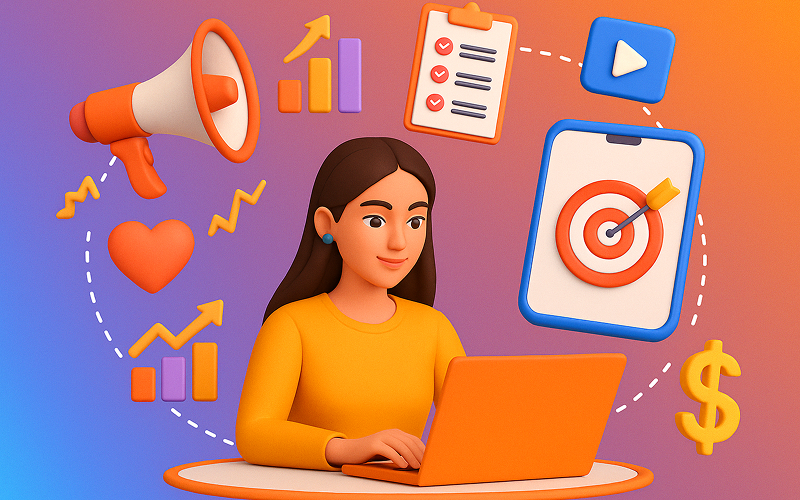
In the fast-paced world of digital marketing, creating a campaign isn’t just about launching ads — it’s about making sure your efforts deliver measurable results. For both brands and influencers, a high-converting campaign can mean the difference between wasted budgets and meaningful impact. Here’s a step-by-step guide to creating high-converting campaigns with MicroMatching: 1️⃣ Define Clear Campaign Objectives Before anything else, set your goals. Do you want brand awareness? Lead generation? Sales conversions? Community engagement? 👉 A well-defined objective keeps your campaign focused and measurable. 2️⃣ Choose the Right Influencers The heart of any influencer campaign is the influencer you choose. Look beyond follower count: ✅ Engagement Rate (3–6%+ is healthy for micro-influencers). ✅ Authenticity (their content should feel natural, not overly promotional). ✅ Audience Match (location, age, and interests should align with your target). 3️⃣ Craft Compelling Content Content is what sells — so it must be authentic, creative, and relatable. Use short videos, reels, or stories for maximum reach. Include a strong call-to-action (CTA). Leverage emotions (humor, trust, inspiration). 4️⃣ Set the Right Budget & Packages With MicroMatching’s pre-defined packages (Awareness, Leads, Sales, etc.), brands can easily choose a budget-friendly option. Small-scale campaigns → Awareness. Mid-scale campaigns → Engagement. High-intent campaigns → Lead generation / Conversions. 5️⃣ Track Proof & Insights Conversion is not complete until you measure results. Influencers must upload proof (screenshots + links). Insights (reach, likes, comments, shares, impressions) must be submitted 72 hours after brand confirmation. Only after insights are approved will the campaign amount be credited to the influencer’s wallet. 6️⃣ Optimize for Future Campaigns Every campaign teaches you something. Analyze what worked: Was it the content type, timing, or influencer style? Double down on what delivered results. Avoid repeating mistakes. ✅ Final Tip: High-converting campaigns are built on clarity, authenticity, and measurement. With MicroMatching, brands can access hundreds of micro-influencers, run campaigns at scale, and track every detail — ensuring your investment turns into impact. 🔖 Suggested Categories for this Blog: For Brands Influencer Marketing Basics Tips & Best Practices
Top 10 Mistakes New Influencers Make
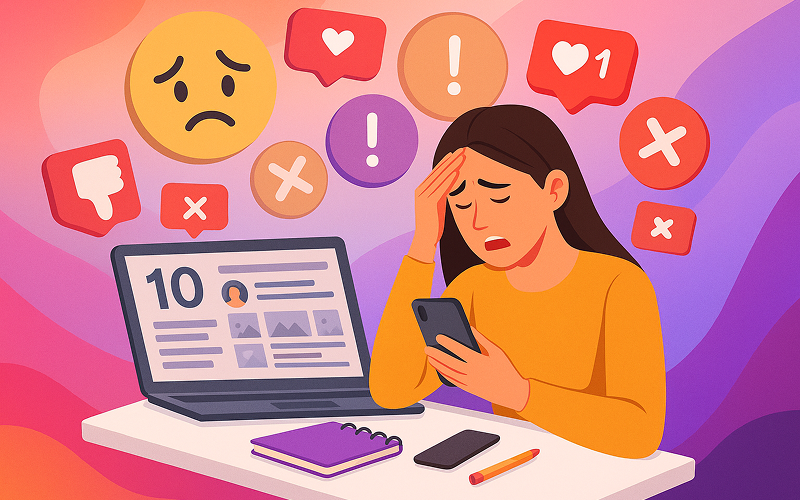
Stepping into the world of influencer marketing is exciting — but it’s not always as easy as it looks. Many new influencers rush in without a clear plan and make mistakes that can slow down their growth or even hurt their reputation. If you’re starting your journey as a creator, here are the top 10 mistakes you should avoid: 1️⃣ Focusing Only on Follower Count Many new influencers think success is only about having more followers. But brands value engagement, authenticity, and niche relevance much more than a big number. 2️⃣ Ignoring Engagement Posting content without connecting with your audience is a missed opportunity. Replying to comments, responding to DMs, and engaging with followers builds trust and loyalty. 3️⃣ Not Defining a Niche Trying to appeal to everyone often means appealing to no one. Successful influencers pick a niche (beauty, fitness, travel, food, tech, etc.) and create content that speaks to that community. 4️⃣ Being Inconsistent Posting regularly is key. New influencers often post daily for a week and then disappear. Consistency builds visibility, trust, and a loyal audience. 5️⃣ Over-Promoting Products Saying “yes” to every brand deal makes your feed look like a catalog. Over-promotion hurts credibility. Instead, work with brands that align with your values and audience. 6️⃣ Not Understanding Their Audience Creating content without knowing your audience’s interests, pain points, and habits leads to low engagement. Use analytics and insights to understand what works best. 7️⃣ Copying Other Influencers Taking inspiration is fine, but copying styles, captions, or content ideas doesn’t build authenticity. Your unique perspective is what makes you valuable to both your followers and brands. 8️⃣ Poor Quality Content Blurry images, bad lighting, or unedited videos send the wrong message. You don’t need expensive equipment — just focus on clarity, storytelling, and creativity. 9️⃣ Ignoring Analytics Many beginners don’t track performance. Checking insights like reach, impressions, and engagement rate helps you understand what’s working and what needs improvement. 🔟 Not Building Relationships with Brands Waiting for brands to find you is a mistake. Reach out, pitch collaborations, and showcase your professionalism. Building relationships leads to long-term partnerships. ✅ Final Thoughts Becoming a successful influencer is not about overnight fame — it’s about authenticity, consistency, and strategy. By avoiding these common mistakes, you can stand out from the crowd, grow your influence, and build meaningful collaborations with brands.
Case Studies: Brand + Influencer Success Stories
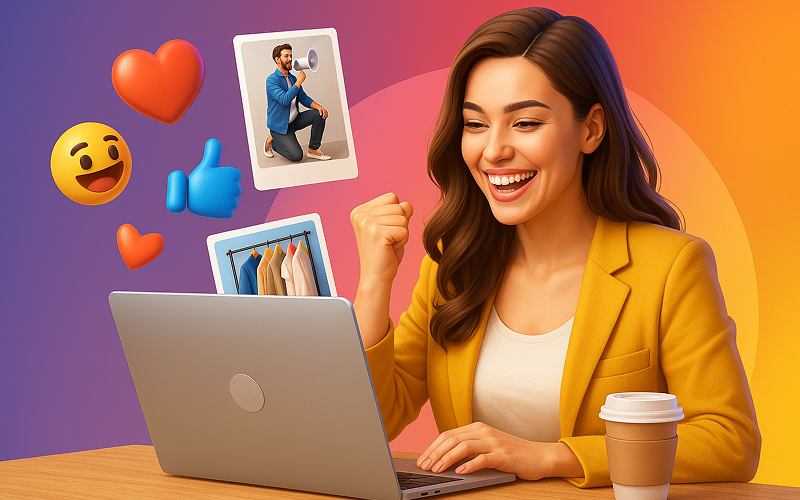
Influencer marketing has transformed how brands connect with their audiences. Micro-influencers, in particular, have become powerful allies for brands, delivering authenticity, high engagement, and cost-effective campaigns. To inspire your next strategy, here are some real-world case studies highlighting successful brand + influencer collaborations. 1️⃣ Local Coffee Shop + Food Influencers The Challenge: A local coffee shop wanted to increase foot traffic and create buzz around their new seasonal menu. The Solution: They partnered with 10 micro-influencers in the food & lifestyle niche. Each influencer shared authentic content enjoying coffee at the café, highlighting the unique flavors and cozy ambiance. The Results: 35% increase in walk-in customers in the first month 50,000+ impressions across social medi Sales of seasonal drinks doubled compared to the previous year 2️⃣ Fitness Apparel Brand + Fitness Coaches The Challenge: A new fitness apparel brand wanted to compete with established giants by targeting niche gym-goers. The Solution: They collaborated with local fitness trainers and micro-influencers, providing free workout gear in exchange for authentic posts and honest reviews. The Results: 4x ROI on influencer spend 10,000+ new Instagram followers in 60 days Increased online store conversions by 25% 3️⃣ Beauty Brand + Skincare Micro-Influencers The Challenge: A natural skincare brand wanted to build trust and credibility in a highly competitive market. The Solution: They partnered with skincare influencers who shared their personal journey using the products. Instead of generic ads, influencers posted real before-and-after photos and reviews. The Results: 200% boost in engagement rates Featured by beauty bloggers without paid promotions Became a top trending product in their category within 3 months 4️⃣ Tech Startup + Student Influencers The Challenge: A new note-taking app wanted to reach university students. The Solution: The startup partnered with student micro-influencers who shared real stories of how the app improved their study routine. The Results: 15,000+ downloads in 6 weeks Increased app store rating to 4.8 stars Long-term user retention grew by 40% Key Takeaways ✔️ Authenticity wins — influencers who genuinely use the product build more trust. ✔️ Niche targeting matters — smaller influencers with the right audience deliver higher ROI. ✔️ Collaboration creates stories — when brands and influencers co-create content, it resonates deeply. 👉 MicroMatching helps brands and influencers connect seamlessly for impactful campaigns. Whether you’re a startup, a local business, or an established brand — the right influencer can turn your campaign into a success story.