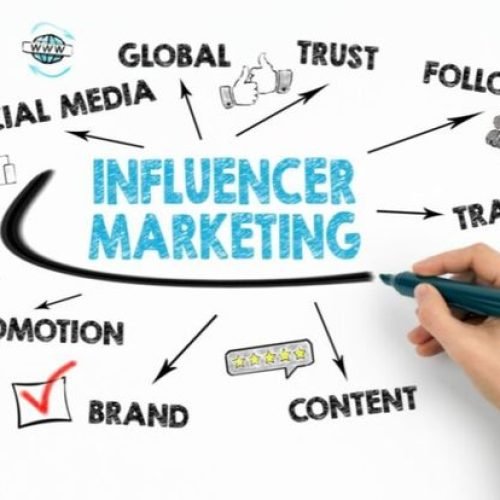
Influencer marketing has become one of the most powerful strategies in digital marketing today. But within this space, one concept stands out as especially impactful—Influencer Collaboration. Whether you’re a startup, an e-commerce brand, or an established business, collaborating with influencers can significantly boost your reach, credibility, and sales.
In this complete guide, we’ll break down everything you need to know about Influencer Collaboration, how it works, its benefits, types, and how to use it effectively for your brand growth.
What Is Influencer Collaboration?
Influencer Collaboration is a marketing strategy where brands partner with influencers to promote products or services to their audience. Influencers are individuals who have built a loyal following on platforms like Instagram, or TikTok.
Instead of traditional advertising, brands leverage the trust influencers have built with their followers. This creates a more authentic and relatable way to promote products.
In simple terms, Influencer Collaboration is about working together with creators to reach the right audience in a natural and engaging way.
Why Influencer Collaboration Is Important
In today’s crowded digital space, consumers are more skeptical of traditional ads. This is where Influencer Collaboration becomes powerful.
Key Reasons:
- Builds trust and authenticity
- Reaches targeted audiences
- Increases brand awareness
- Drives higher engagement
- Boosts conversions and sales
When an influencer recommends a product, it feels like a personal suggestion rather than a sales pitch.
Types of Influencer Collaboration
There are different types of Influencer Collaboration, depending on your goals and budget.
1. Sponsored Posts
Brands pay influencers to create content featuring their product.
2. Product Reviews
Influencers share honest reviews, which helps build trust.
3. Giveaways and Contests
Collaborations that encourage audience participation and engagement.
4. Affiliate Marketing
Influencers earn a commission for every sale generated.
5. Brand Ambassadors
Long-term partnerships where influencers consistently promote a brand.
6. Content Collaboration
Brands and influencers co-create content like videos, reels, or blogs.
How Influencer Collaboration Works
The process of Influencer Collaboration is simple but requires proper planning.
Step-by-Step Process:
- Define your goals (awareness, sales, engagement)
- Identify the right influencers
- Reach out and negotiate terms
- Create a campaign brief
- Launch the collaboration
- Track performance and results
A well-planned collaboration ensures better results and long-term success.
Benefits of Influencer Collaboration
1. Authentic Brand Promotion
Influencers create genuine content that resonates with their audience.
2. Targeted Marketing
You reach people who are already interested in your niche.
3. Higher Engagement Rates
Influencer content often gets more likes, shares, and comments.
4. Cost-Effective Strategy
Compared to traditional ads, Influencer Collaboration can deliver better ROI.
5. Content Creation
Brands get high-quality user-generated content.
Influencer Collaboration vs Traditional Advertising
| Feature | Influencer Collaboration | Traditional Advertising |
| Trust Level | High | Low |
| Engagement | High | Moderate |
| Cost | Flexible | Expensive |
| Audience Targeting | Precise | Broad |
| Content Style | Authentic | Promotional |
How to Choose the Right Influencer
Choosing the right influencer is key to successful Influencer Collaboration.
Consider These Factors:
- Audience relevance
- Engagement rate
- Content quality
- Authenticity
- Past collaborations
Micro-influencers often deliver better engagement compared to celebrities.
Best Practices for Influencer Collaboration
To get the best results, follow these tips:
- Set clear goals and expectations
- Allow creative freedom to influencers
- Focus on long-term relationships
- Track performance metrics
- Communicate effectively
Successful Influencer Collaboration is built on trust and mutual benefit.
Common Mistakes to Avoid
- Choosing influencers based only on followers
- Lack of clear campaign goals
- Ignoring audience relevance
- Over-controlling content
- Not tracking results
Avoiding these mistakes can significantly improve your campaign performance.
Future of Influencer Collaboration
The future of Influencer Collaboration looks promising. Trends include:
- Rise of micro and nano influencers
- Increased use of AI in influencer marketing
- Growth of video content (Reels, TikTok)
- Focus on authenticity and transparency
Brands that adapt to these trends will stay ahead in the market.
Conclusion
Influencer Collaboration is no longer optional—it’s a must-have strategy for modern brands. It helps build trust, reach the right audience, and drive real results.
By choosing the right influencers, creating authentic content, and focusing on long-term partnerships, businesses can unlock the full potential of influencer marketing