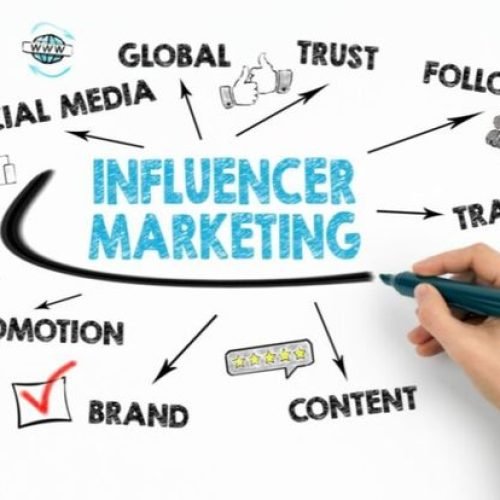
Building a powerful Brand Marketing Strategy is one of the most important steps for startups and small businesses. Many entrepreneurs focus only on sales and advertising. But here’s the truth: without strong branding, marketing efforts feel random and short-term.
Your brand is not just your logo. It’s not just colors or fonts. Your brand is how people feel about your business. And that feeling influences whether they buy from you—or your competitor.
Let’s break down how startups and small businesses can create an effective Brand Marketing Strategy that drives long-term growth.
What Is a Brand Marketing Strategy?
A Brand Marketing Strategy is a long-term plan designed to build awareness, trust, and loyalty around your business. Instead of pushing products constantly, it focuses on shaping perception.
Think of branding as planting seeds. Sales are the fruit—but branding is the root system that keeps everything alive.
For startups, this is even more critical. You don’t have years of reputation behind you. Your strategy must create that trust from day one.
Why Brand Marketing Strategy Matters for Small Businesses
Small businesses operate in competitive markets. Customers have options. So why should they choose you?
A strong Brand Marketing Strategy helps you:
- Stand out from competitors
- Build credibility and trust
- Attract your ideal audience
- Increase customer loyalty
- Improve long-term profitability
When customers connect emotionally with a brand, price becomes less important. That’s powerful.
Step 1: Define Your Brand Identity
Every successful Brand Marketing Strategy starts with clarity.
Ask yourself:
- What problem does my business solve?
- Who is my ideal customer?
- What makes my brand unique?
- What values do I stand for?
Define your:
- Mission statement
- Vision statement
- Core values
- Brand personality
Are you bold and innovative? Friendly and approachable? Premium and exclusive?
Consistency in identity builds recognition.
Step 2: Understand Your Target Audience
You cannot market to everyone. A focused approach works better.
Identify your target audience by analyzing:
- Age
- Gender
- Location
- Income level
- Interests
- Pain points
Create a detailed customer persona. When you know exactly who you’re talking to, your Brand Marketing Strategy becomes sharper and more effective.
Step 3: Develop a Unique Value Proposition
Your unique value proposition (UVP) explains why customers should choose you.
A strong UVP answers three questions:
- What do you offer?
- Who is it for?
- Why is it better or different?
For example:
“We help small businesses grow online with affordable, results-driven digital marketing solutions.”
Clarity attracts the right audience.
Step 4: Build a Consistent Brand Presence
Consistency is the backbone of successful branding.
Your website, social media profiles, packaging, and advertisements should all reflect the same tone and visual identity.
Focus on:
- Logo and brand colors
- Typography
- Tone of voice
- Messaging style
A consistent Brand Marketing Strategy increases recognition and builds trust over time.
Step 5: Use Content Marketing to Strengthen Your Brand
Content marketing plays a major role in building brand authority.
Create:
- SEO-friendly blog posts
- Educational videos
- Social media content
- Email newsletters
- Customer success stories
When your audience learns something valuable from you, they begin to see you as an expert.
This improves both search engine rankings and brand credibility.
Step 6: Leverage Social Media Marketing
Social media platforms allow startups to compete without massive budgets.
Focus on platforms where your audience is active. Share:
- Behind-the-scenes content
- Product updates
- Customer testimonials
- Industry tips
Engage with followers by responding to comments and messages. Interaction strengthens relationships and supports your overall Brand Marketing Strategy.
Step 7: Build Trust Through Social Proof
People trust recommendations.
Encourage satisfied customers to leave:
- Google reviews
- Testimonials
- Case studies
- User-generated content
Social proof enhances credibility and makes new customers feel confident about choosing your brand.
Step 8: Monitor and Improve Your Strategy
A Brand Marketing Strategy is not static. It evolves.
Track important metrics like:
- Website traffic
- Engagement rate
- Conversion rate
- Customer retention
- Brand mentions
Analyze data regularly and refine your approach based on performance.
Common Mistakes to Avoid
Many startups struggle because they:
- Change branding frequently
- Copy competitors
- Focus only on sales
- Ignore SEO optimization
- Underestimate the power of design
Avoid these mistakes to maintain a strong and consistent brand identity.
Conclusion
A well-planned Brand Marketing Strategy is essential for startups and small businesses that want sustainable growth. It builds trust, strengthens recognition, and creates meaningful connections with customers.
Remember, branding is a long-term investment. You may not see instant results—but consistency pays off.
Define your identity. Understand your audience. Deliver value. Stay consistent.
Over time, your brand will become your strongest competitive advantage.
If you implement these strategies effectively, your small business won’t just compete—you’ll stand out and grow confidently in today’s digital marketplace.